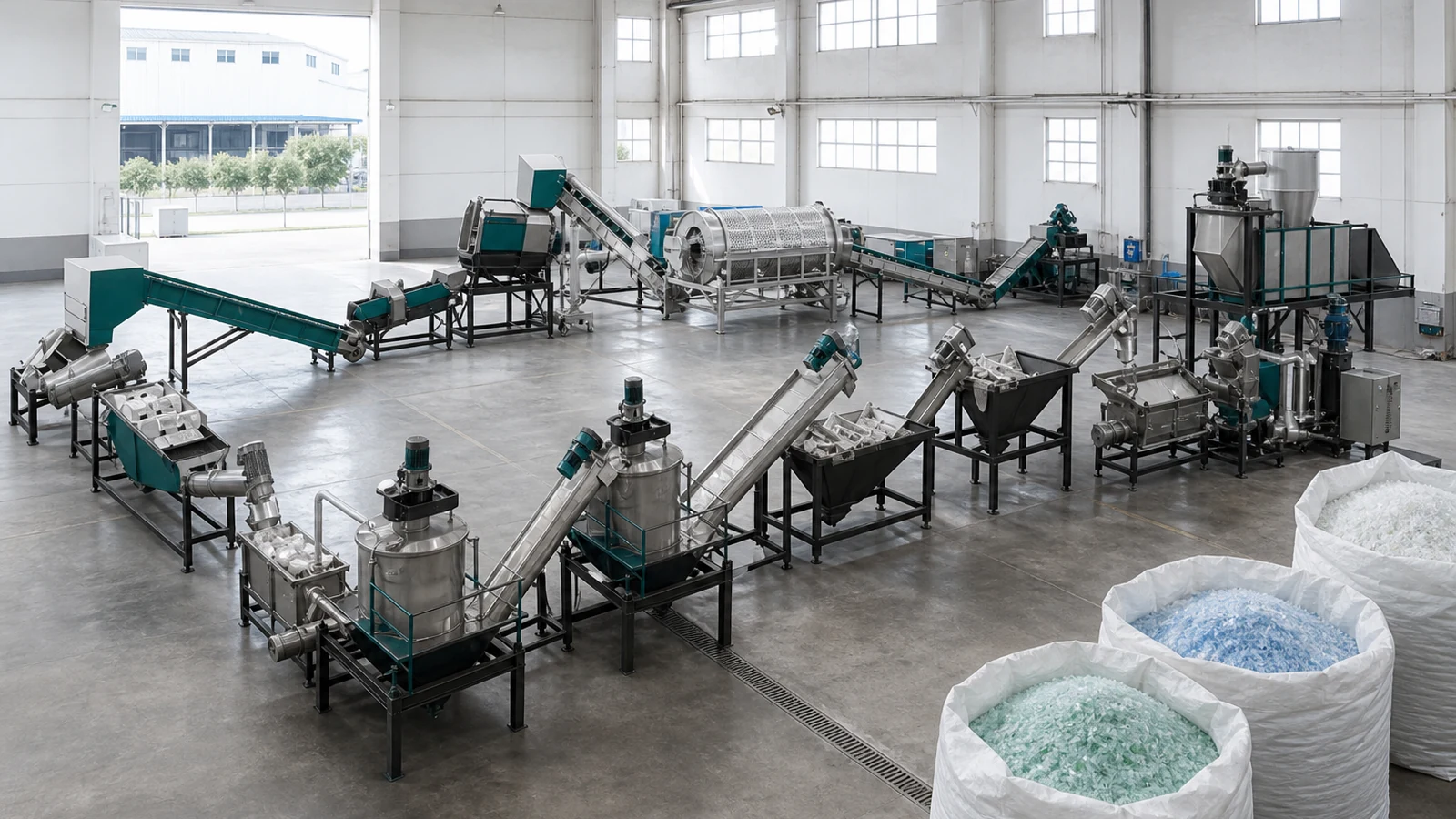
A PP PE soft film recycling washing line cleans and dries contaminated polyethylene and polypropylene film waste before downstream pelletizing or reuse.
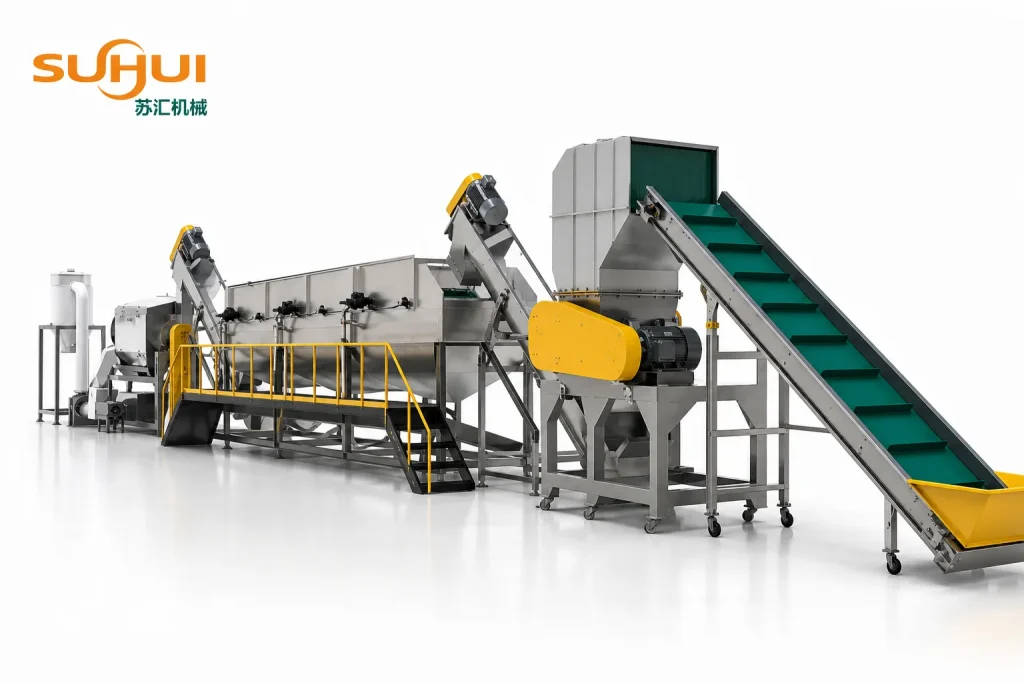
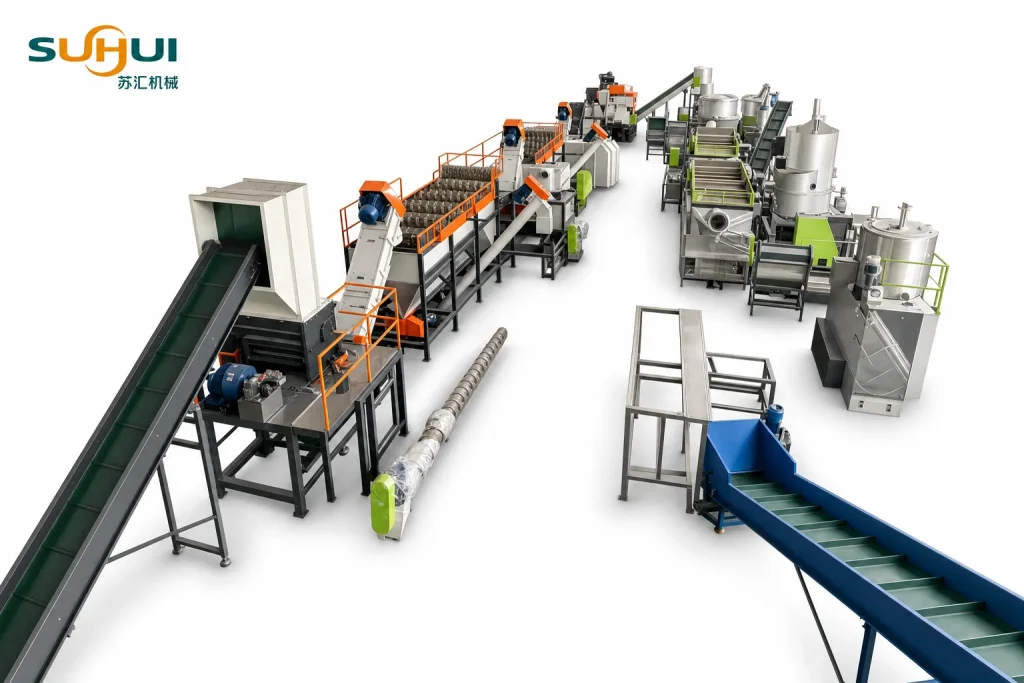
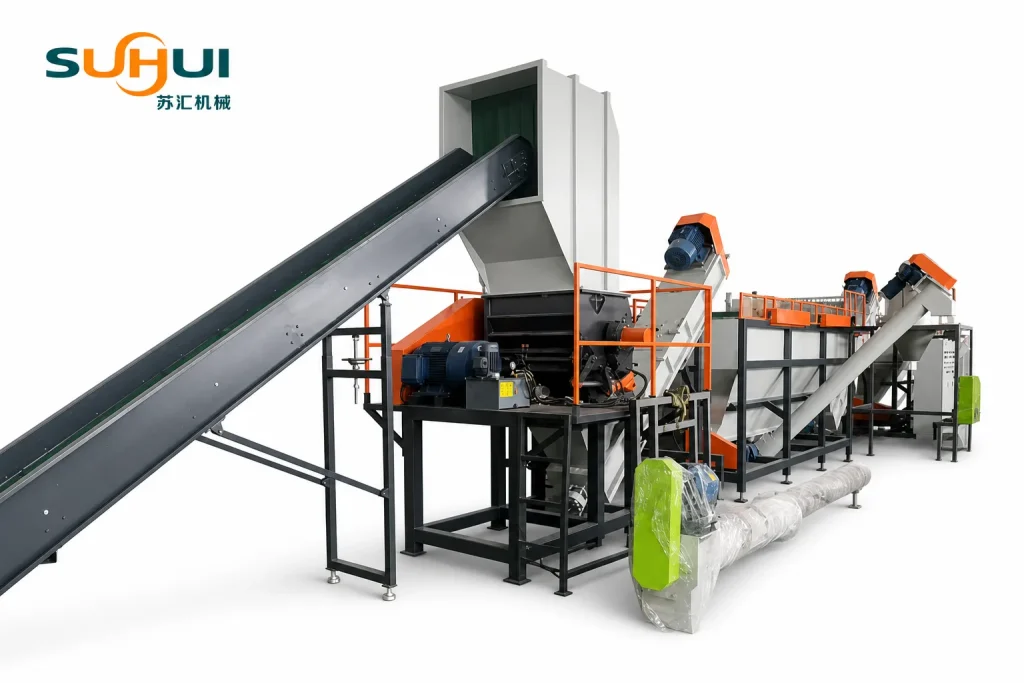
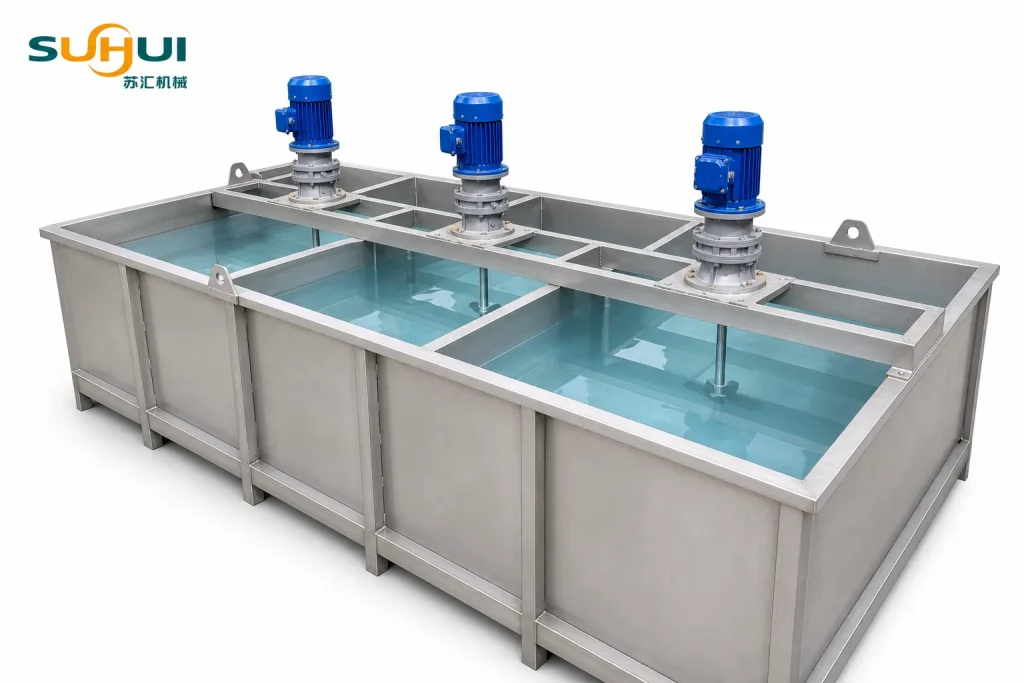
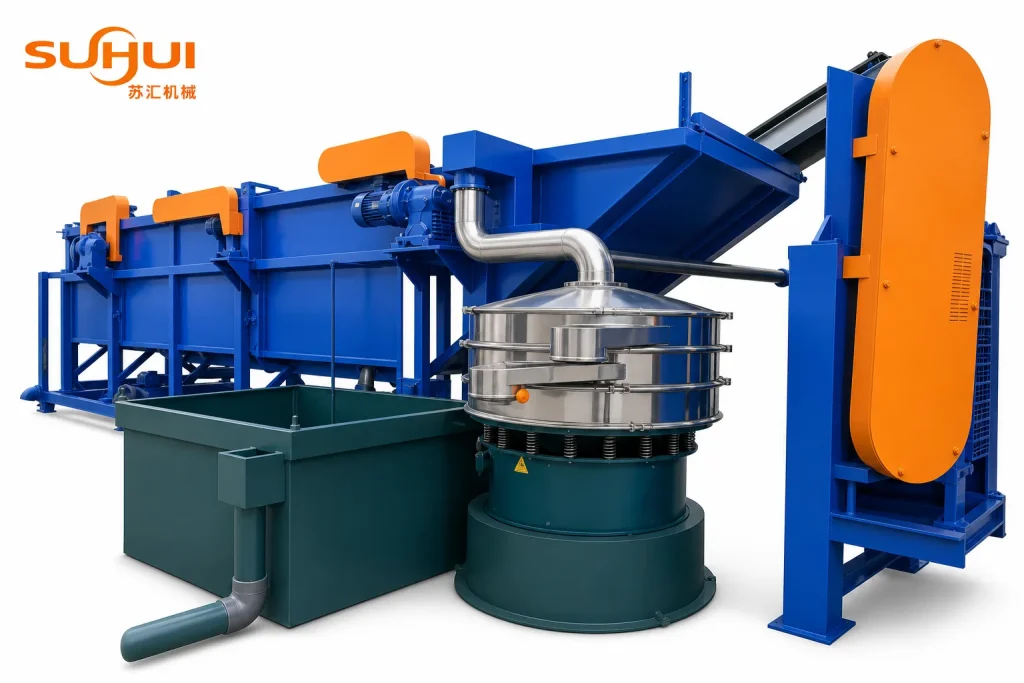
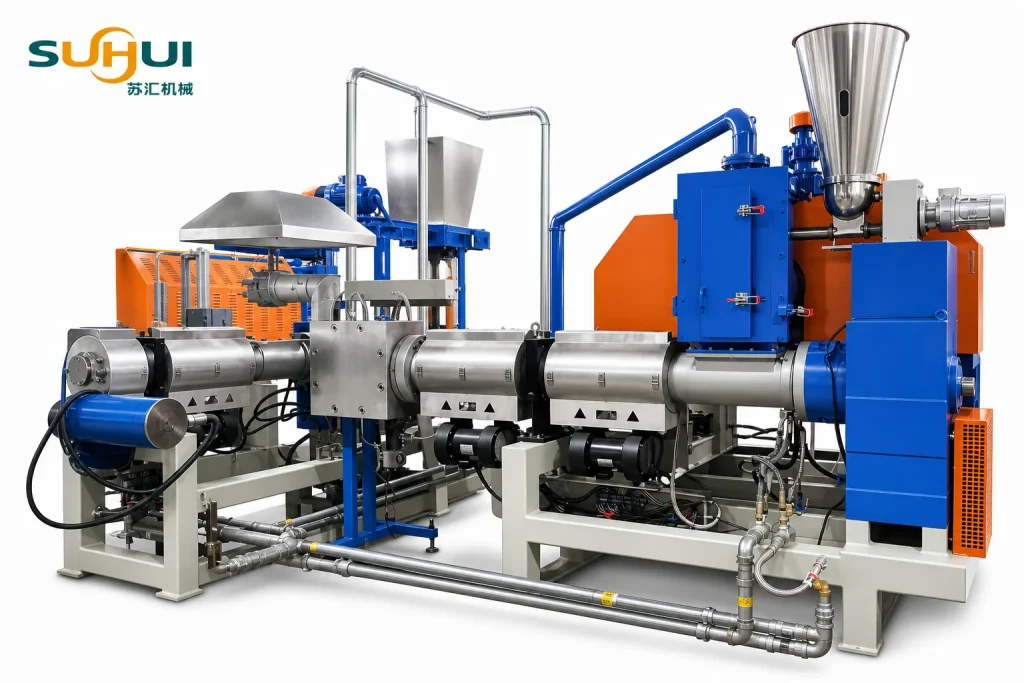
The SUHUI PP PE soft film recycling washing line turns contaminated PP and PE film waste — agricultural mulch film, greenhouse covers, stretch wrap, LDPE/LLDPE packaging film — into clean, dry flakes ready for pelletizing or direct sale. Anti-tangle shredding, multi-stage washing, float-sink density separation and two-stage dewatering bring final moisture below 5%. Five standard configurations cover 300–2,000 kg/h, built in S.S 304 stainless steel with closed-loop water recycling. Factory-direct from SUHUI with export and after-sales support.
The SUHUI PP PE film washing line is a fully automated plastic film washing line designed to recycle polypropylene (PP) and polyethylene (PE) film waste into clean, high-purity flakes ready for pelletizing or direct sale. It efficiently processes diverse film types including agricultural mulch film, greenhouse covers, stretch wrap, LDPE and LLDPE packaging film, and post-industrial film scrap — whether loose or baled.
The line integrates automated feeding, anti-tangle shredding, multi-stage washing, friction scrubbing, float-sink density separation, two-stage mechanical dewatering, and thermal drying into one continuous film washing and recycling process. Output flakes meet the quality requirements of downstream pelletizing, film blowing, and plastic manufacturing applications.
Available in five standard capacity configurations from 300 to 2,000 kg/h, with custom-engineered solutions for higher throughput. All wetted and structural components are manufactured from S.S 304 stainless steel, and a closed-loop water recycling system keeps operating costs and wastewater discharge low.
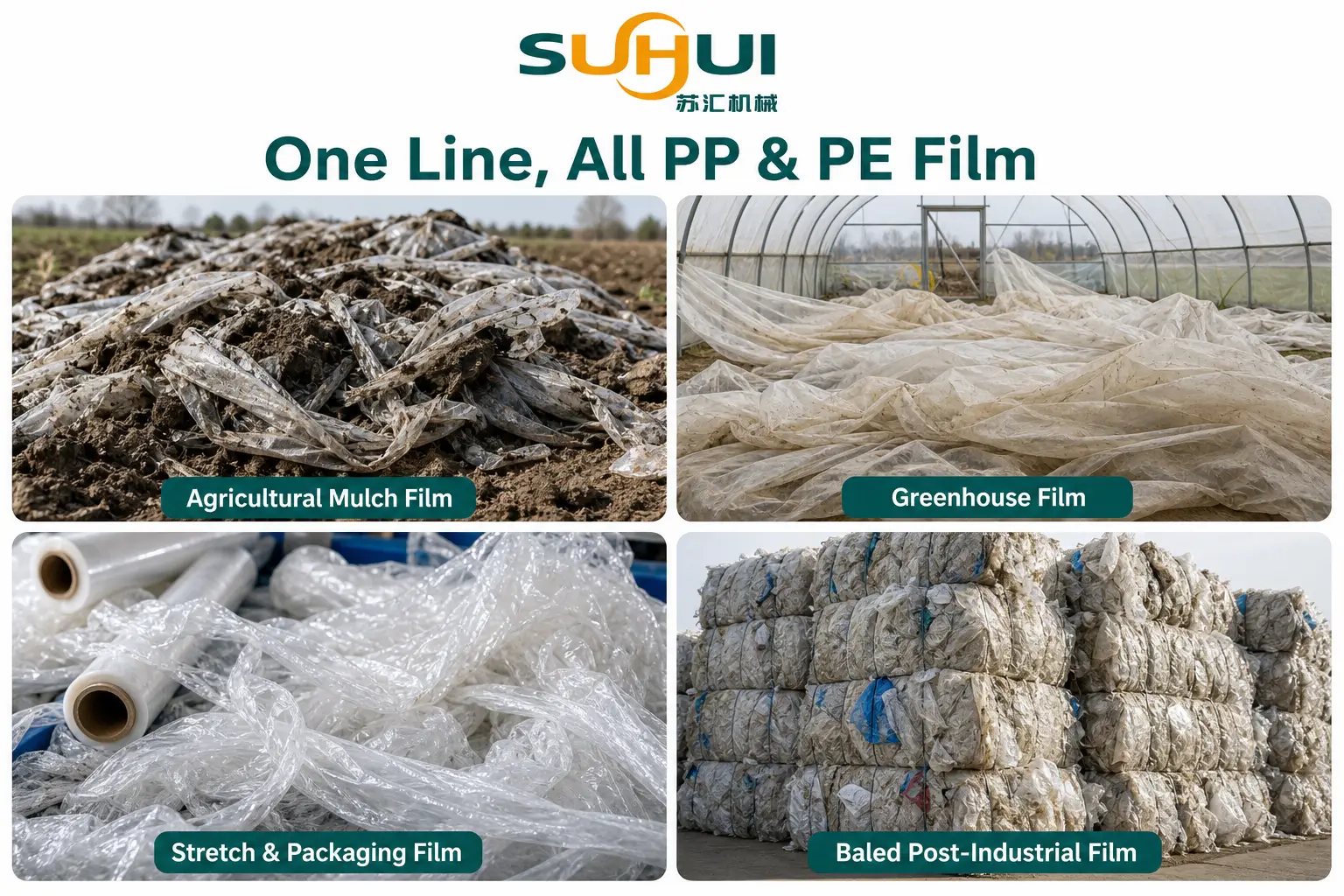
One washing line handles the full PP and PE film range: soiled agricultural mulch film, greenhouse film, stretch and packaging film, and baled post-industrial film.
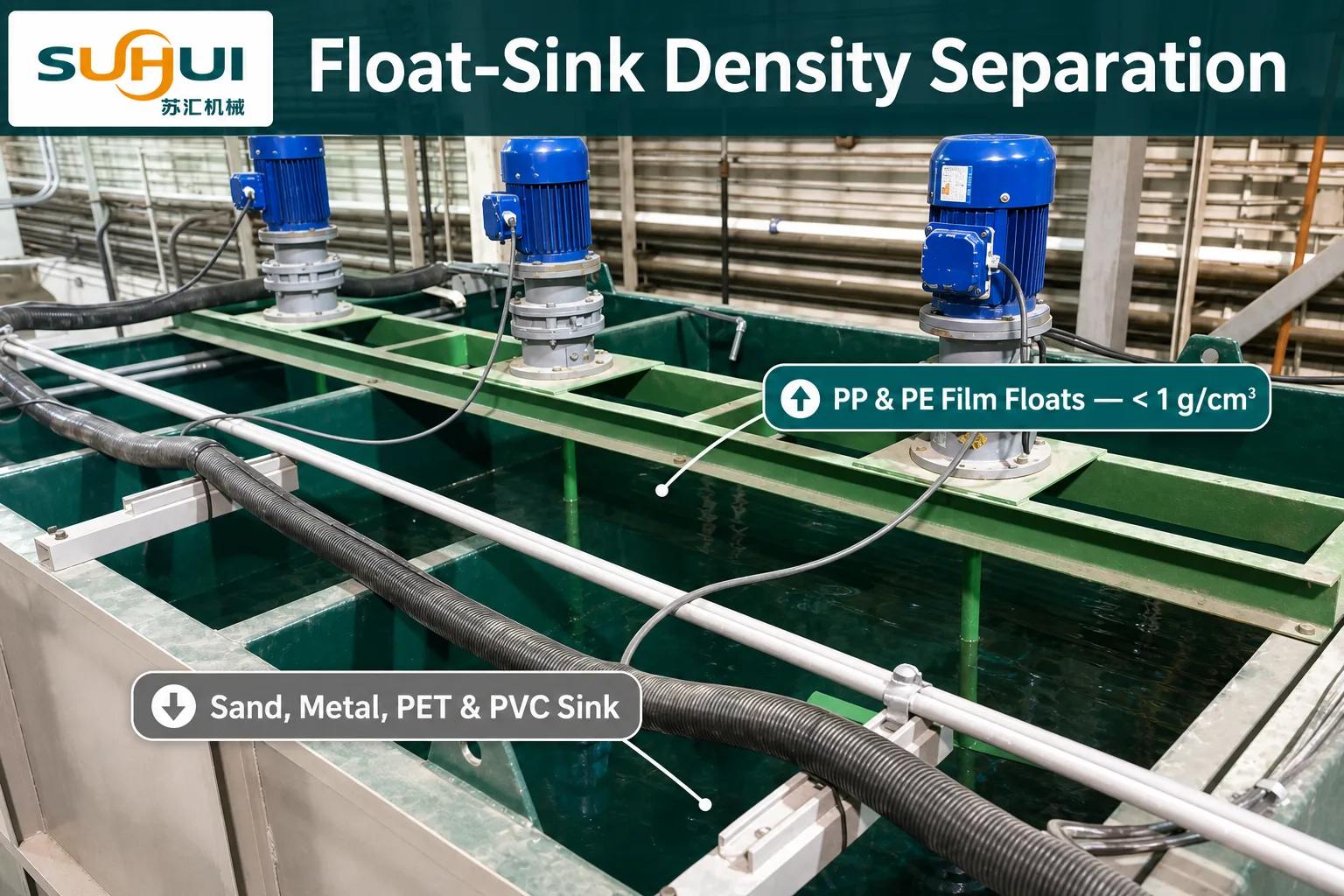
The float-sink tank in operation: PP and PE film floats because its density is below 1 g/cm³, while sand, metal, PET and PVC sink and are discharged from the tank bottom.
| Parameter | SHW300 | SHW500 | SHW1000 | SHW1500 | SHW2000 |
|---|---|---|---|---|---|
| Input Capacity (kg/h) | 250–300 | 400–500 | 800–1,000 | 1,250–1,500 | 1,700–2,000 |
| Dimension L×W×H (m) | 29 × 10 × 5 | 35 × 12 × 6 | 50 × 12 × 6 | 70 × 15 × 6 | 90 × 15 × 6 |
| Installation Power (kW) | 195 | 290 | 446 | 530 | 760 |
| Energy Consumption (kWh) | 120 | 180 | 280 | 395 | 490 |
| Steam Consumption (kg/h) | 0–150 | 0–200 | 0–300 | 0–450 | 0–600 |
| Chemical Consumption (kg/h) | 0–2 | 0–4 | 0–8 | 0–10 | 0–12 |
| Operators Required (per shift) | 3 | 3 | 4 | 4 | 4 |
| Final Moisture Content | < 5% (after thermal drying) | ||||
| Flake Size (crusher output) | 10–20 mm | ||||
| Frame Material | S.S 304 Stainless Steel | ||||
| Certifications | CE, ISO9001:2008, QS, GMP | ||||
Exact configuration depends on feedstock contamination level, facility layout, and downstream requirements. Contact SUHUI for a customized technical proposal.
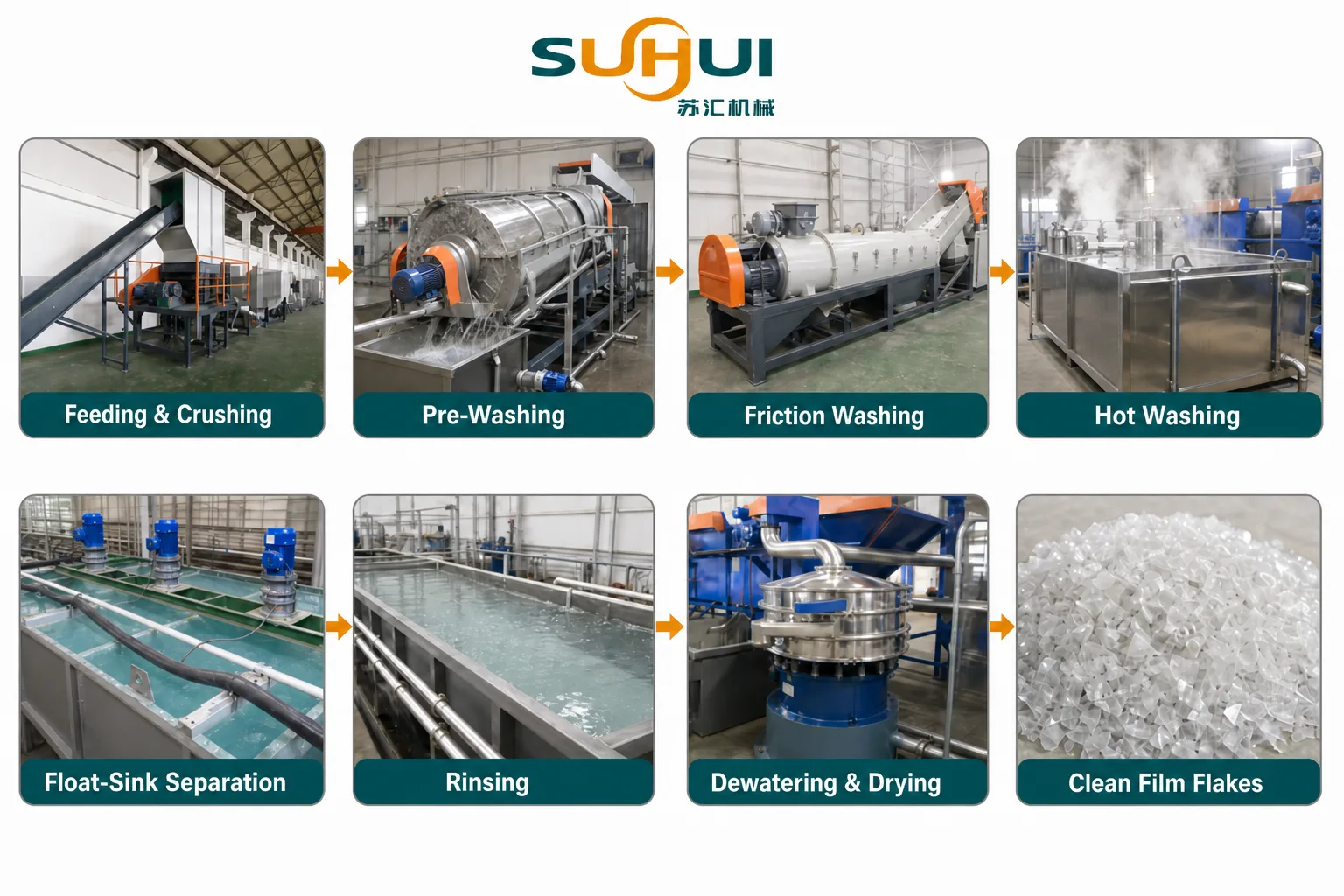
The complete film washing route in real equipment photos: feeding and crushing, pre-washing, friction washing, hot washing, float-sink separation, rinsing, dewatering and drying — ending in clean, dry film flakes.
Plastic film is the hardest plastic waste stream to wash. It is lightweight, carries far more surface area per kilogram than rigid plastics, tangles in standard machinery, and arrives loaded with soil, sand, inks, adhesives, and organic residue — especially agricultural film. Any contamination that survives washing ends up in the melt filter and the final pellet, which is why the washing line, not the pelletizer, sets the ceiling for recycled pellet quality.
The SUHUI film washing plant is engineered around this constraint: an anti-tangle crusher keeps material flowing, washing intensity is staged progressively from pre-wash to friction wash to optional hot wash, density separation removes what scrubbing cannot, and two-stage dewatering plus thermal drying brings moisture below 5% so flakes run stably on the pelletizing line. As a plastic film washing line manufacturer based in Zhangjiagang, China, SUHUI configures each film washing machine group around the customer’s feedstock and contamination profile and supplies it factory-direct with export and after-sales support.
Every line is assembled and test-run in the SUHUI workshop before shipment:
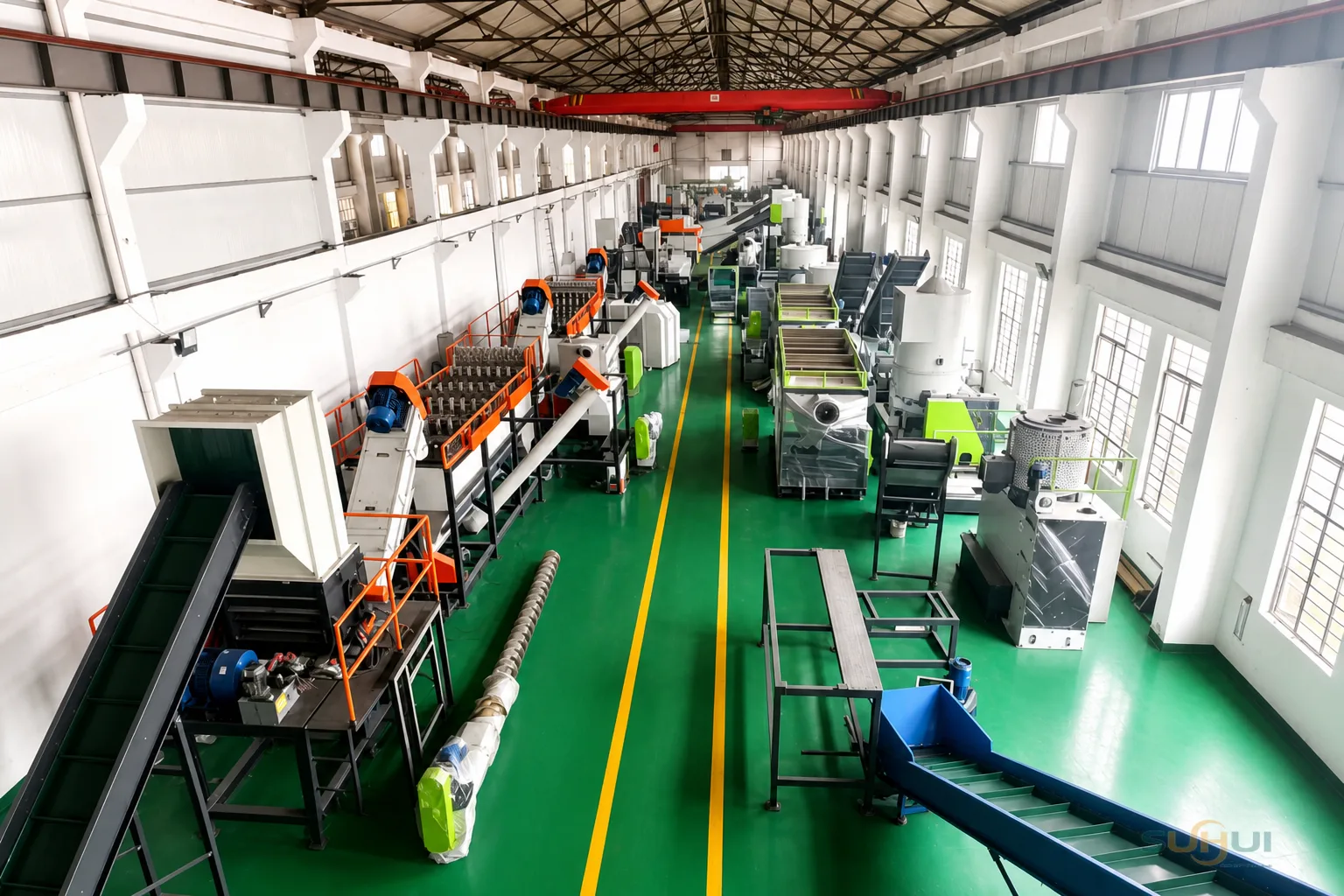
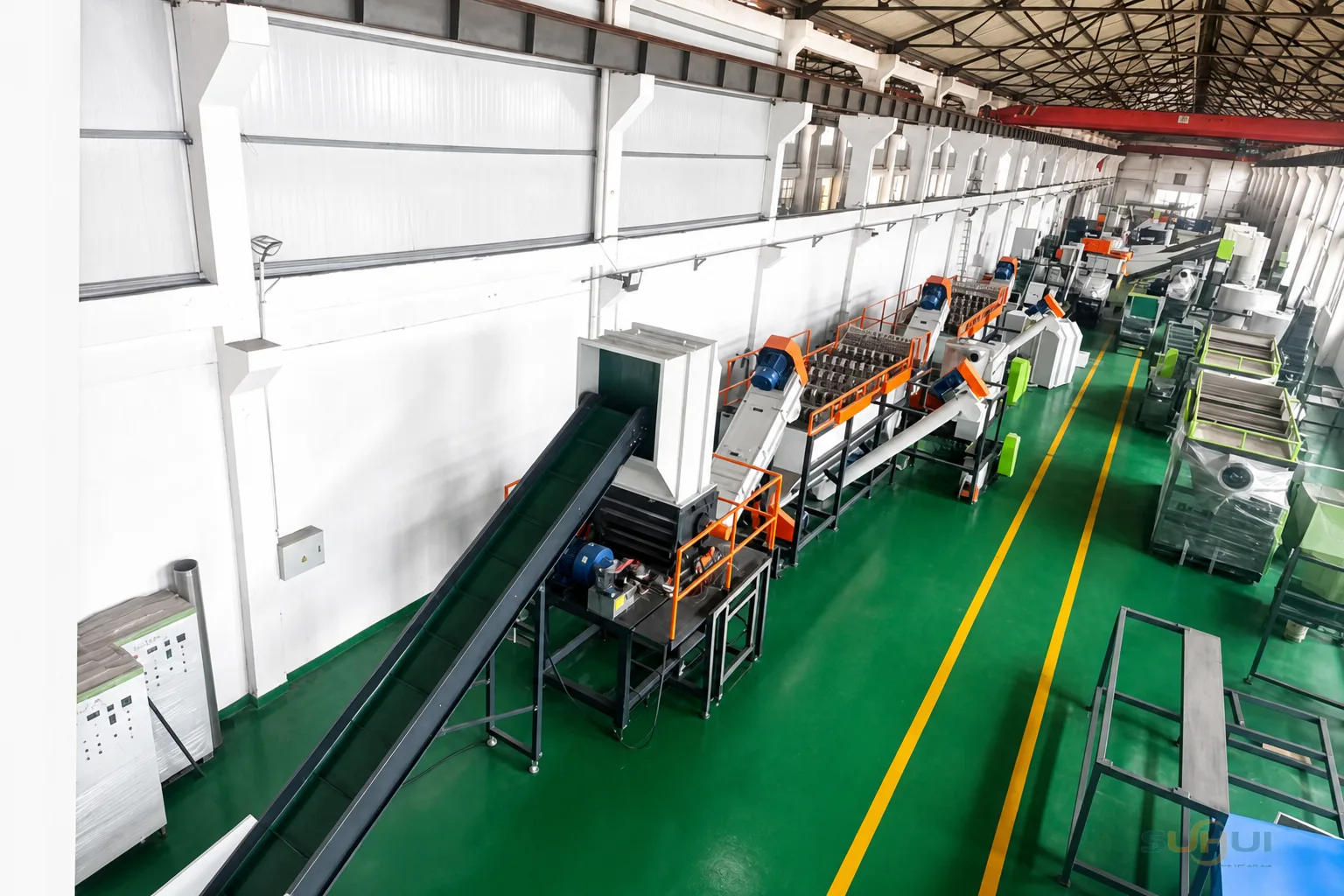
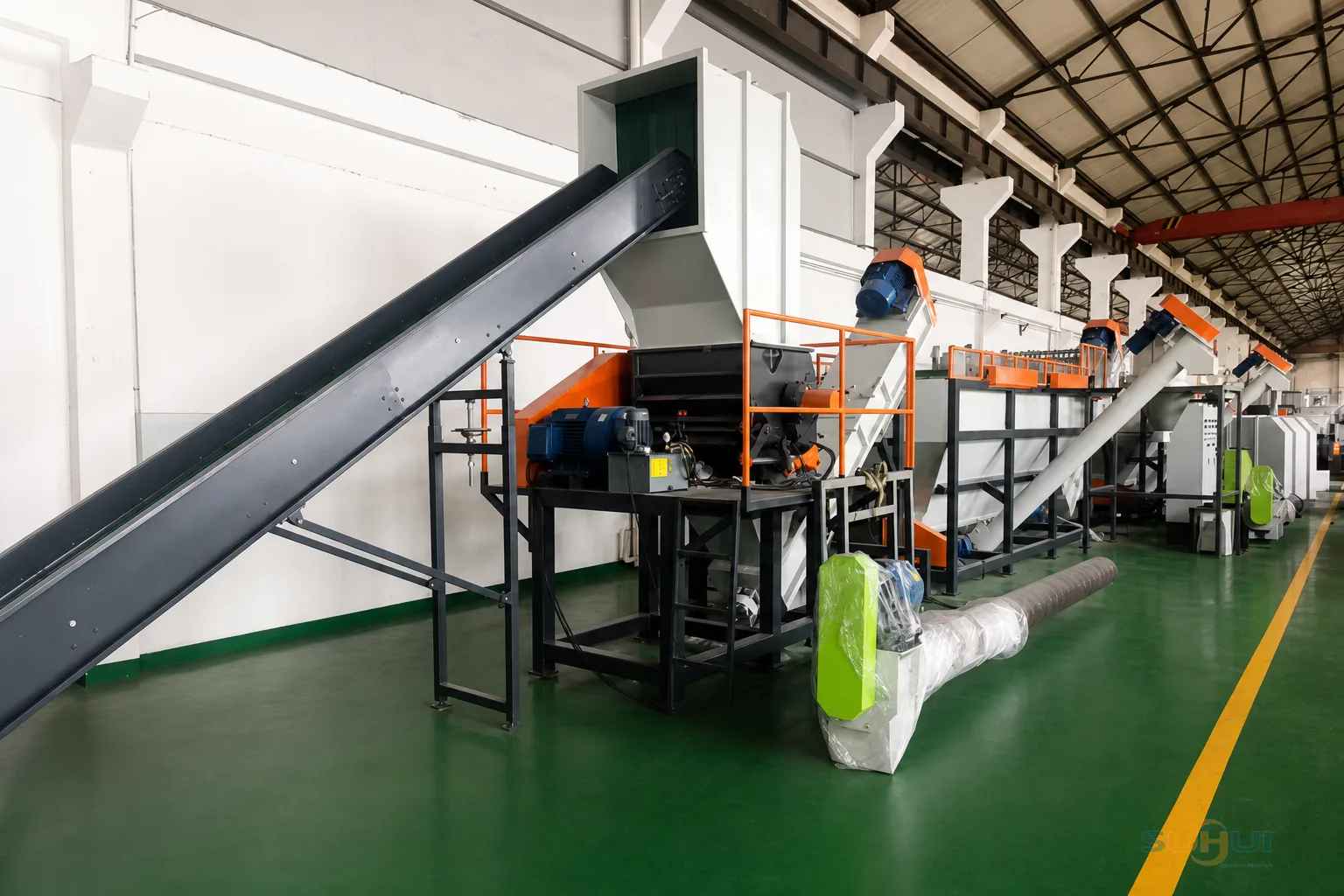
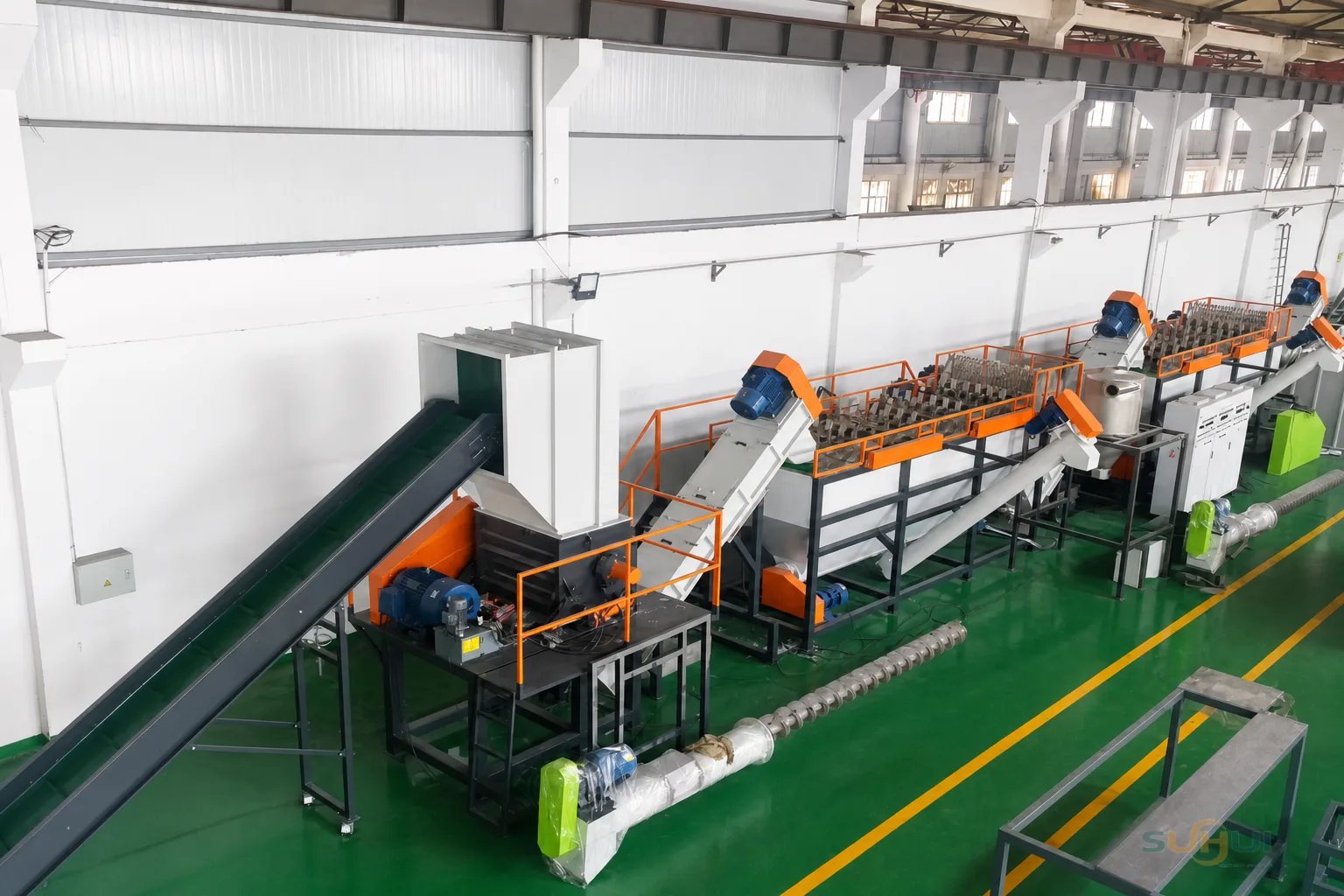
SUHUI workshop: film washing line sections assembled and test-run before delivery.
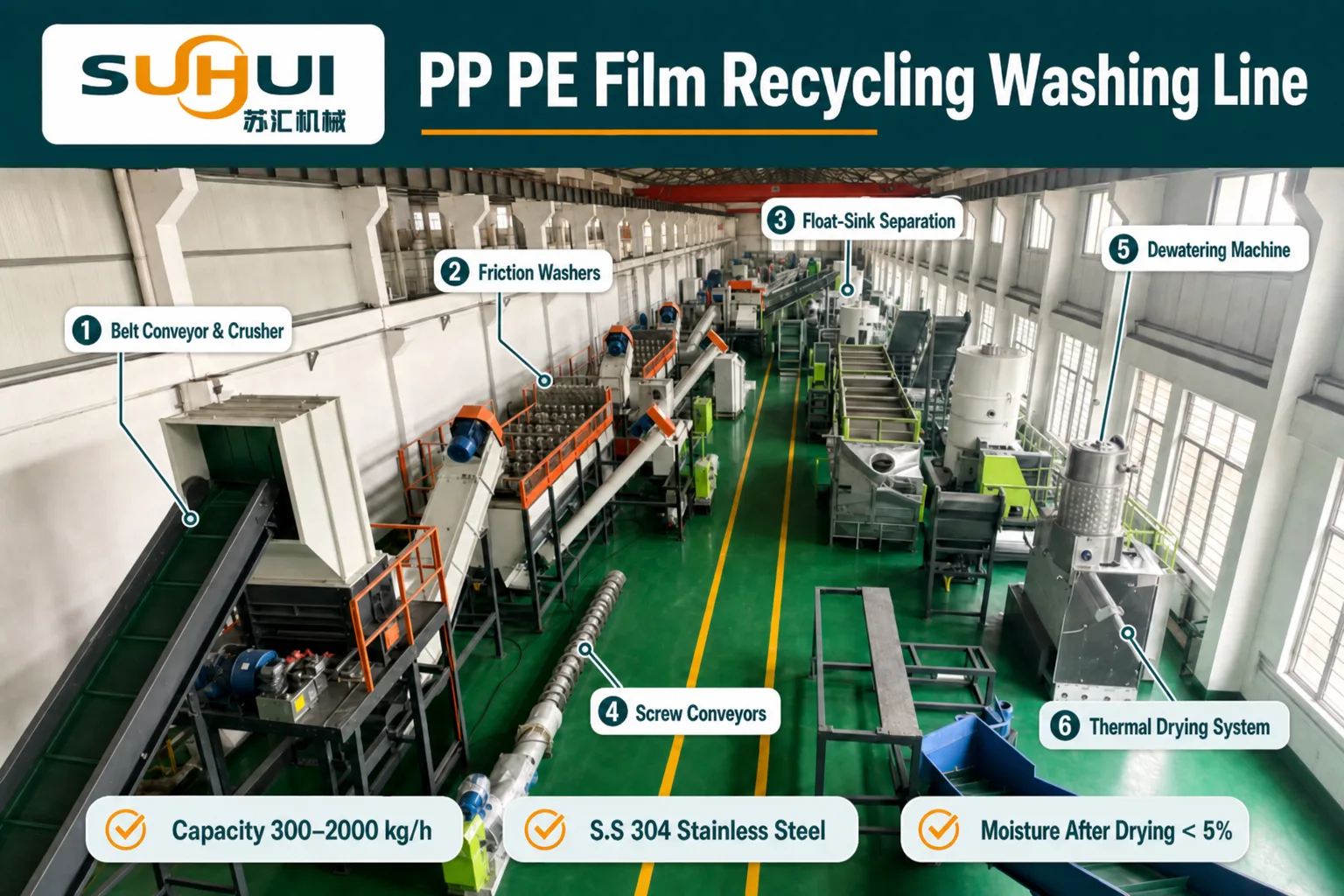
Main configuration of the SUHUI PP PE film recycling washing line in the workshop: belt conveyor and crusher, friction washers, float-sink separation, screw conveyors, dewatering machine and thermal drying system.
The line delivers clean PP and PE film flakes with final moisture below 5% after thermal drying and contamination removed through staged washing and density separation. Flakes at this quality level feed directly into film compacting pelletizing without pre-treatment, and are dry enough for stable extrusion and consistent pellet output.
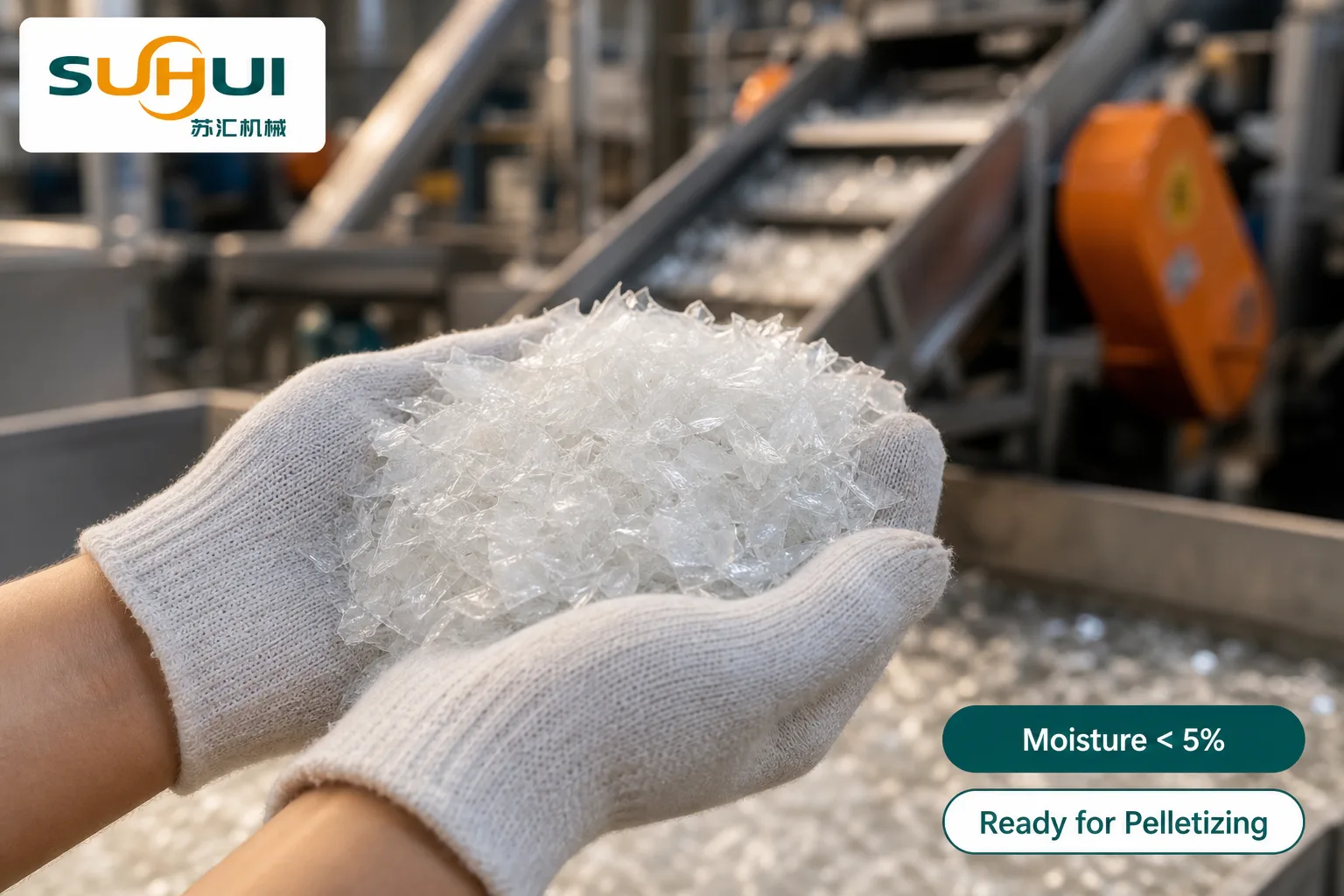
Washed and dried PP/PE film flakes at the end of the line: moisture below 5%, contaminants removed, ready for pelletizing or direct sale.
Recycled film flakes and the pellets made from them re-enter production as garbage bags, agricultural film, packaging and stretch film, and injection-molded products. Many SUHUI customers pair the washing line with a film compacting pelletizing line to sell pellets instead of flakes, capturing more value per ton. For guidance on matching a plastic film recycling machine configuration to your feedstock, see our film washing line buyer’s guide.
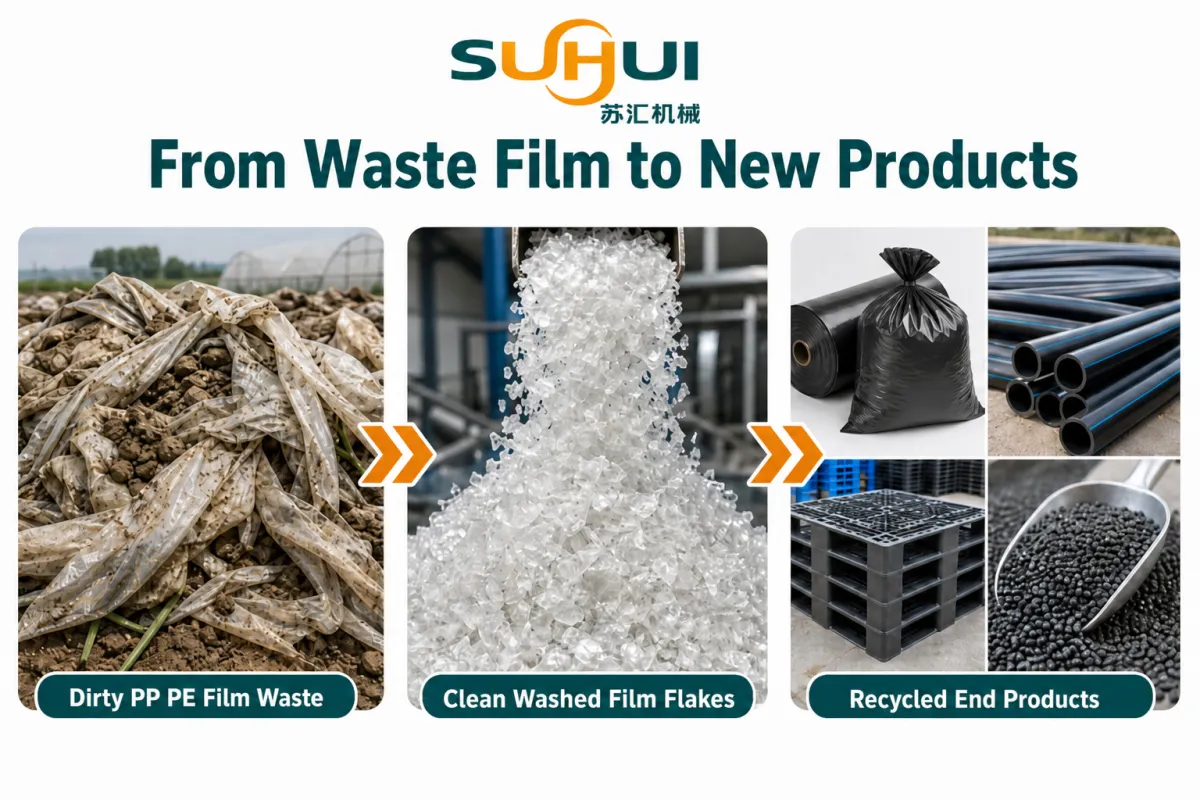
From waste film to new products: dirty PP/PE film in, washed flakes out, then back into production as garbage bags, pipes, pallets and recycled pellets.
SUHUI film washing lines run at customer recycling plants processing agricultural and packaging film waste. The photos below are from a customer installation: crusher feeding, washing and float-sink separation tanks, dewatering and screening, and the downstream film pelletizing sections in daily operation.
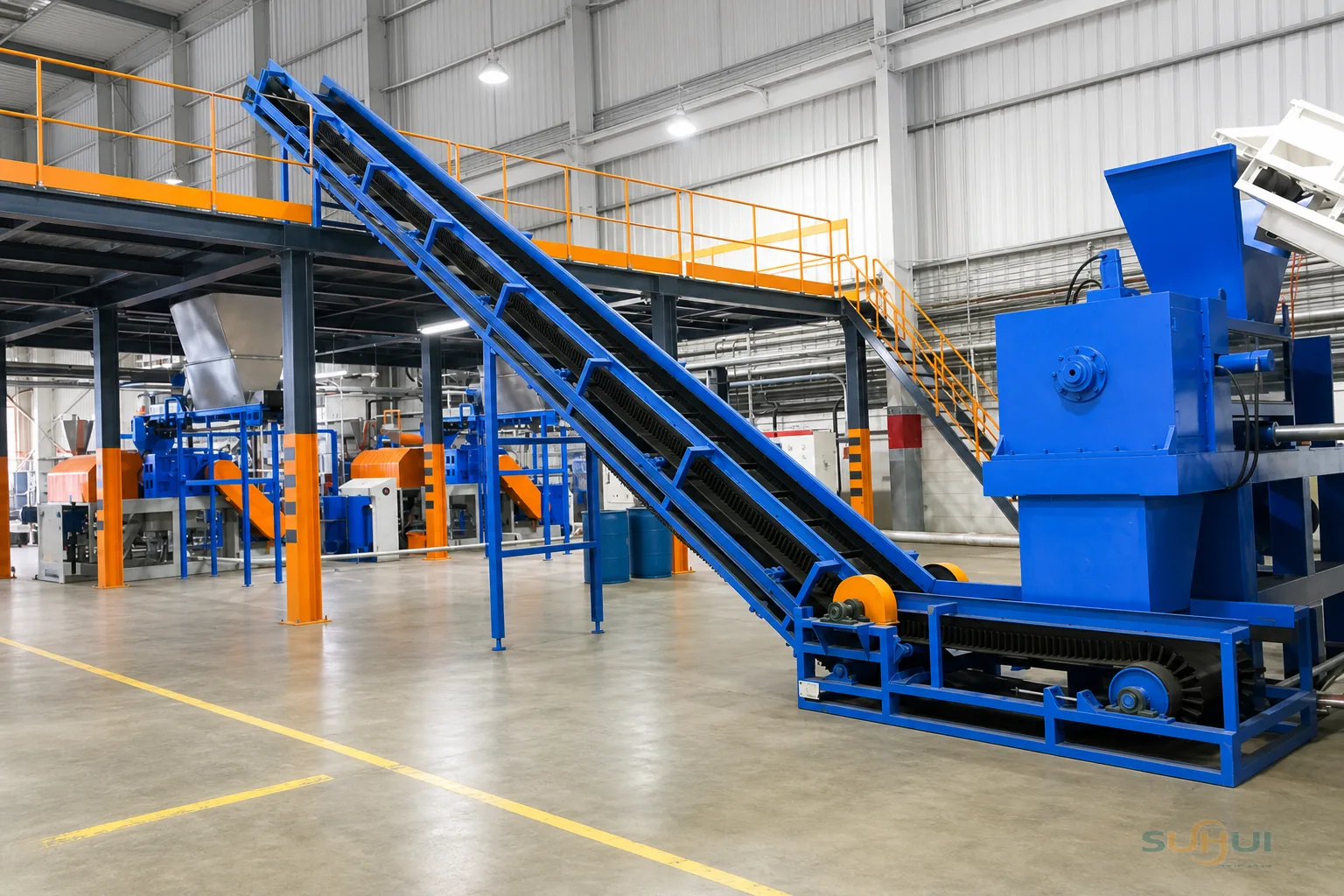
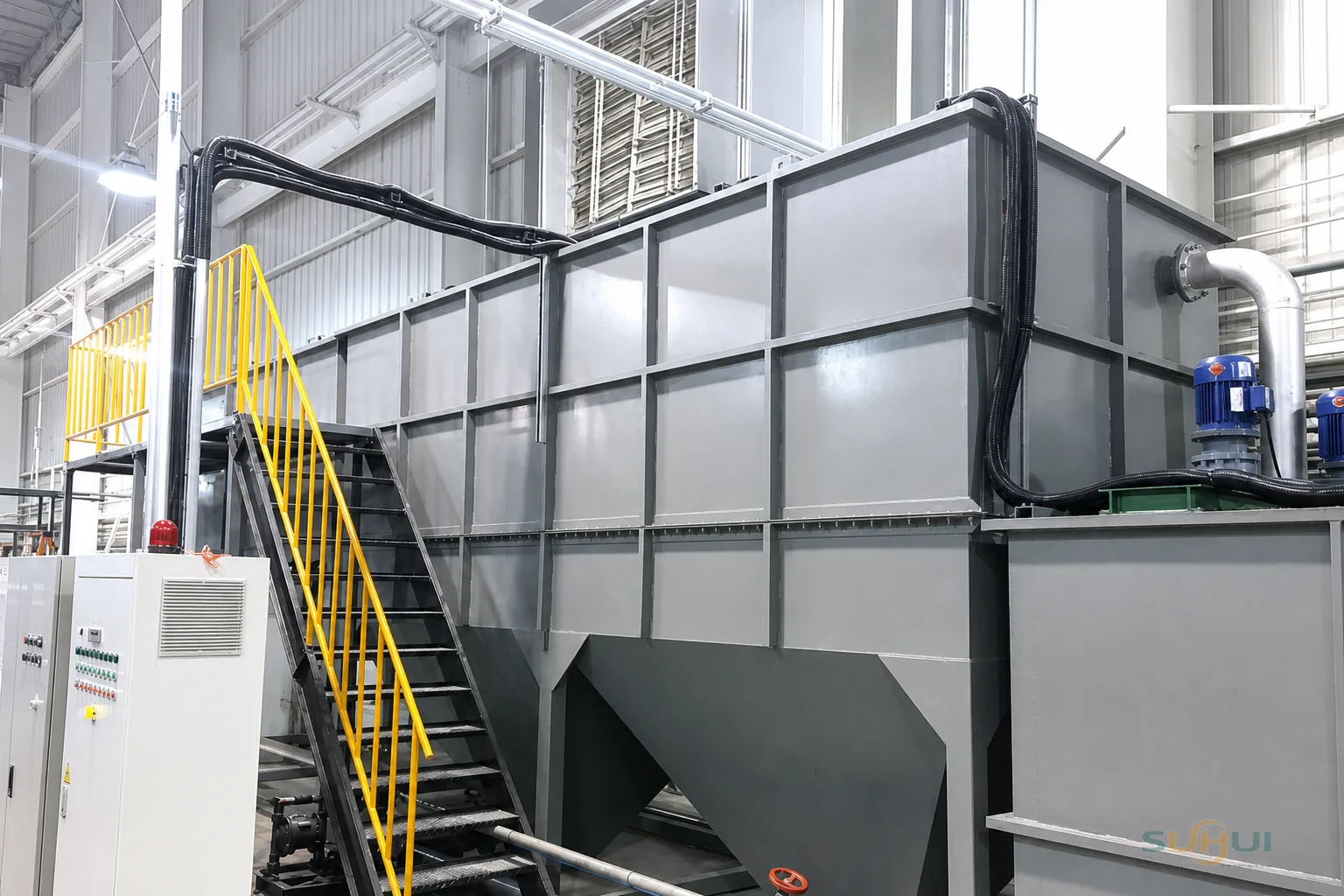
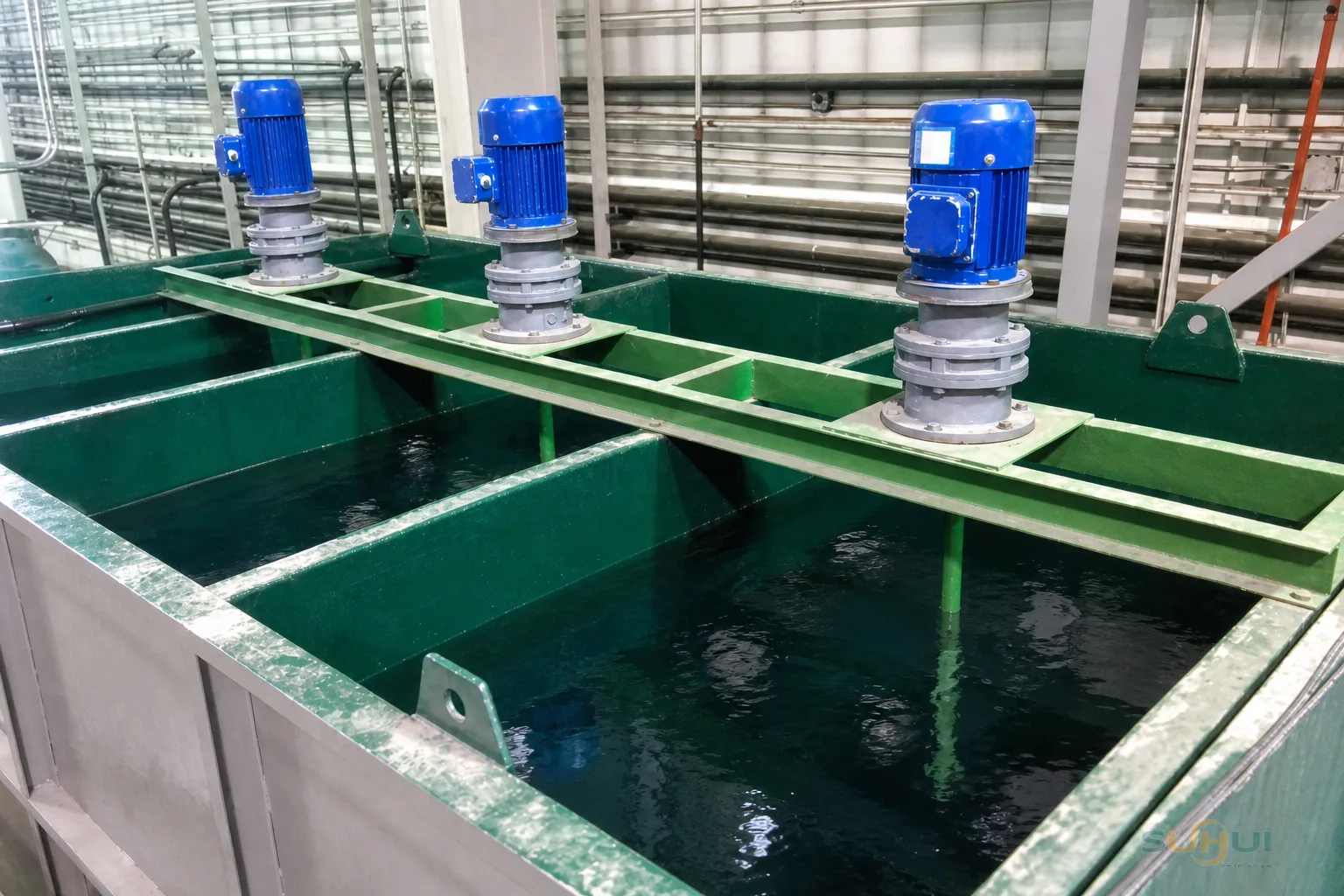
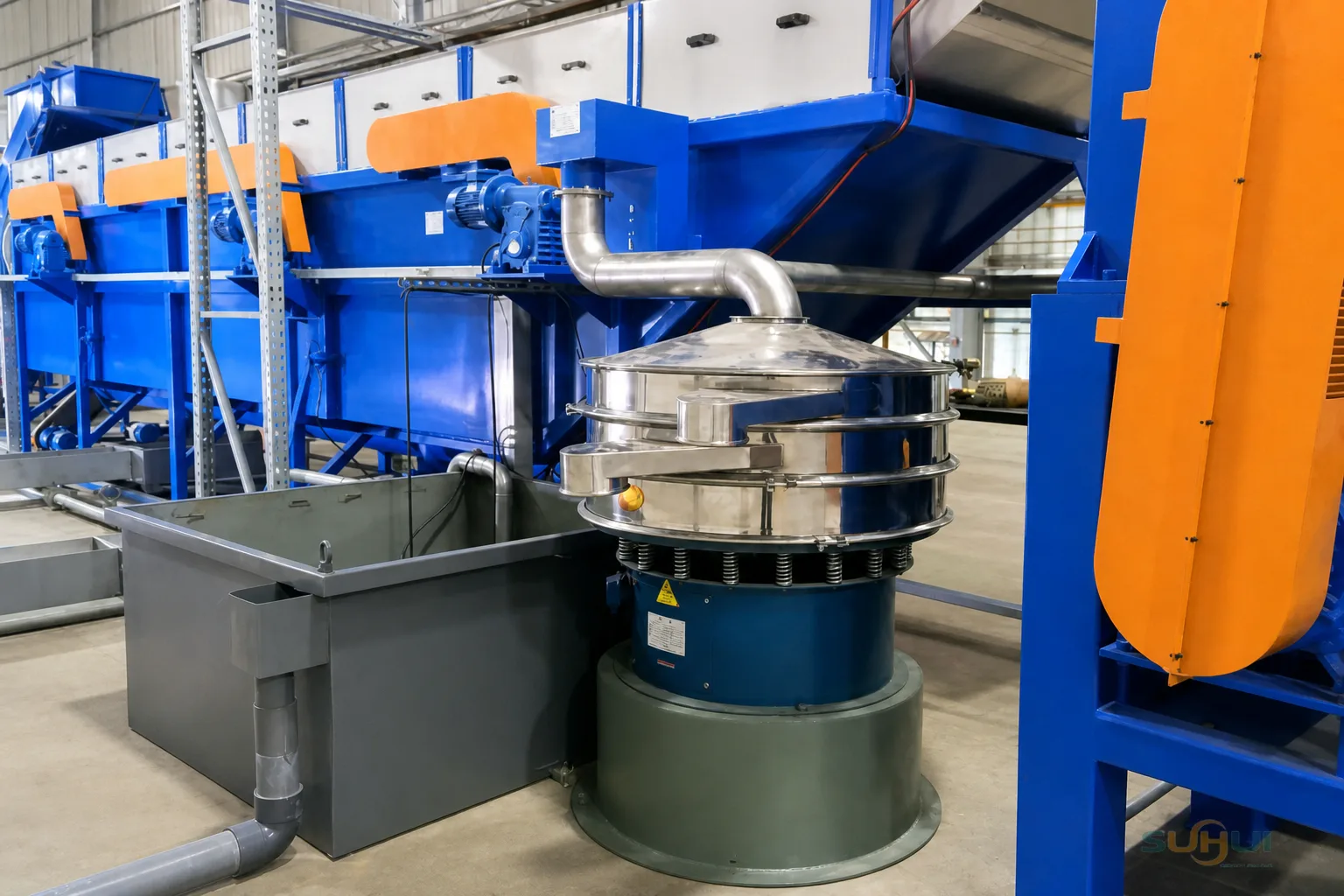
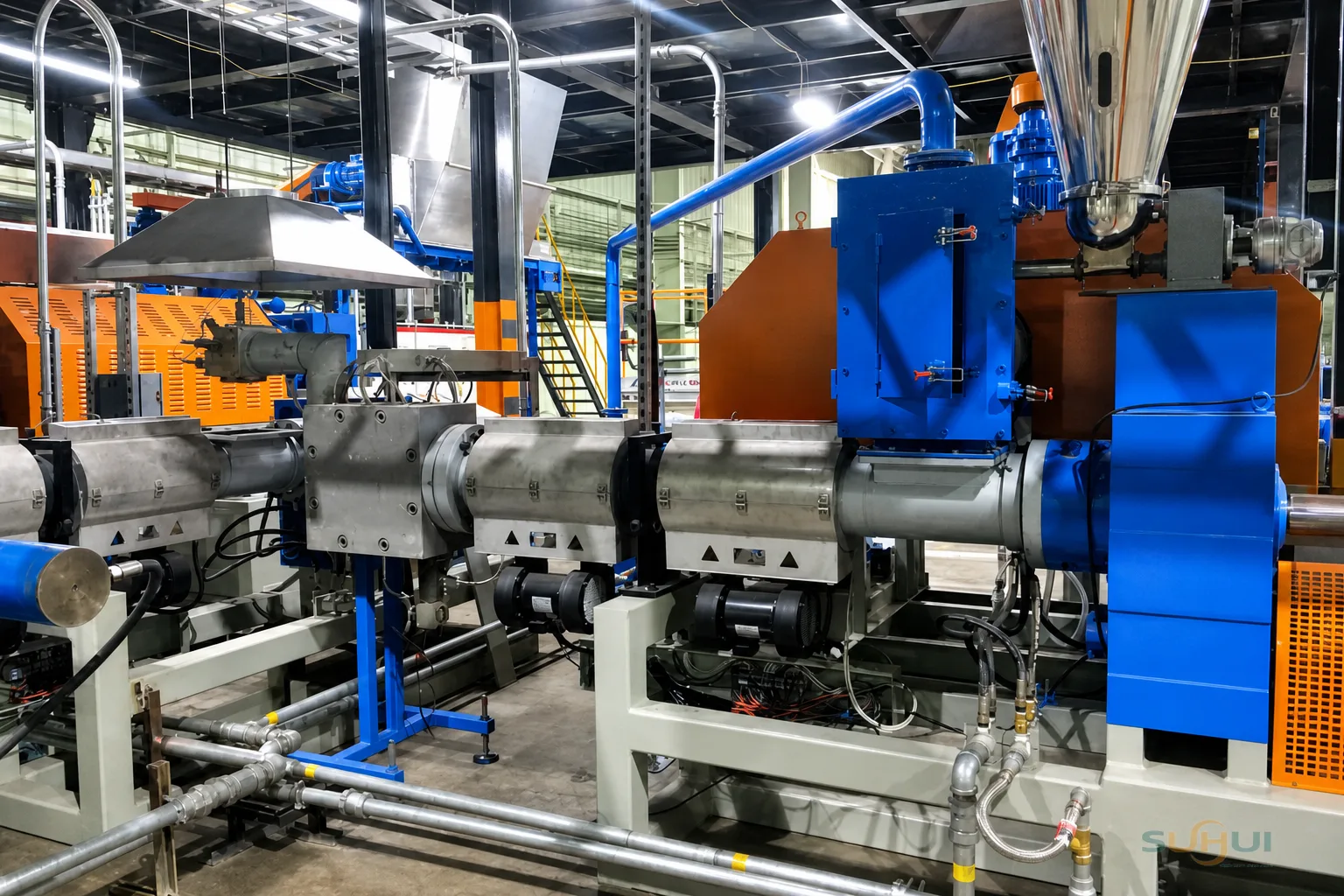
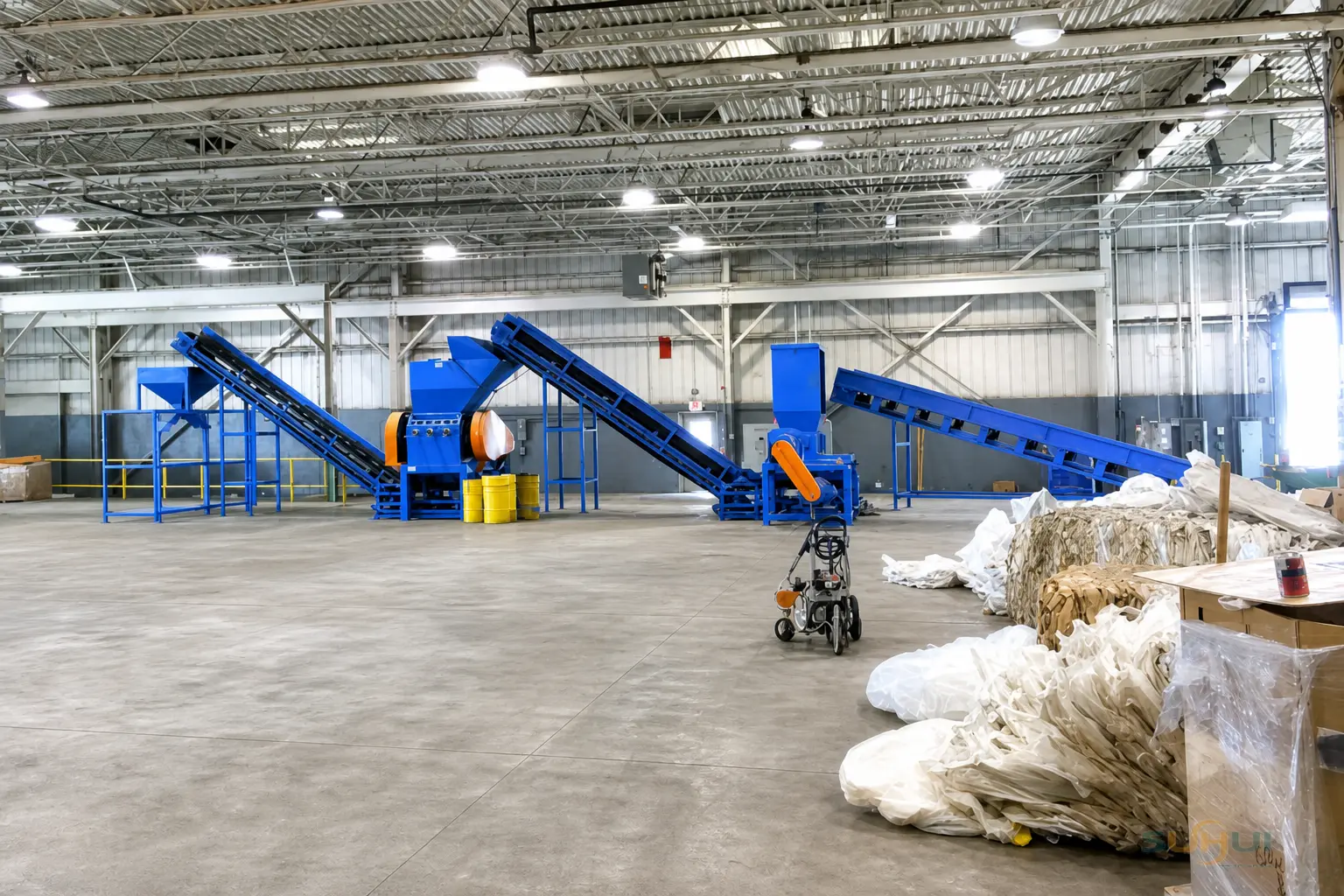
Customer site: SUHUI film washing plant in daily production, from crusher feeding to washing tanks, dewatering and pelletizing.
Yes. PP and PE plastic film — including agricultural film, stretch wrap, and packaging film — is fully recyclable through mechanical recycling. Because film is lightweight, tangles easily, and carries heavy surface contamination, it requires a dedicated film washing line rather than a standard rigid-plastic washing plant. The industrial route is shredding, multi-stage washing, float-sink separation, dewatering, and thermal drying, after which clean flakes are pelletized back into raw material. For the full process overview, see our guide on how a plastic film recycling line works.
The line processes a wide range of polypropylene (PP) and polyethylene (PE) film waste, including LDPE and LLDPE packaging film, agricultural mulch film, greenhouse covers, stretch wrap, and post-industrial film scrap. The system accepts both loose and baled feedstock, with sorting and magnetic separation to remove non-plastic contaminants such as metals, sand, and paper labels before washing.
The SUHUI PP PE soft film recycling washing line is available in five standard model configurations: SHW300 (250–300 kg/h), SHW500 (400–500 kg/h), SHW1000 (800–1,000 kg/h), SHW1500 (1,250–1,500 kg/h), and SHW2000 (1,700–2,000 kg/h). Space requirements range from 29m × 10m × 5m for the SHW300 to 90m × 15m × 6m for the SHW2000, with installation power from 195 kW to 760 kW. Contact SUHUI for a configuration recommendation based on your feedstock volume and facility layout.
The film washing system uses a progressive cleaning sequence: pre-washing in agitated water removes loose sand and soil; high-speed friction washers dislodge embedded adhesives, inks, and organic contaminants, with optional detergent dosing for heavily soiled feedstock; optional hot washing at 60–80°C dissolves oils and chemical residues; and a final fresh-water rinse removes residual cleaning solution. This staged sequence is what allows one line to handle both muddy agricultural film and cleaner packaging film.
No — water-based float-sink separation cannot split PP from PE, because both are lighter than water (PP 0.90–0.92 g/cm³, PE 0.92–0.97 g/cm³) and float together. What the float-sink tank does separate is PP/PE film from heavier contaminants: sand, metal fragments, PET, and PVC sink and are discharged. In practice this is rarely a problem, because PP and PE film are often processed and pelletized together as a mixed polyolefin stream. If your end market requires separate PP and PE streams, the split is handled at the sorting stage before washing — ask SUHUI about adding a sorting station to the feeding section.
Freshly washed film can hold up to 30% surface moisture, which is why drying is handled in two stages: mechanical dewatering (centrifugal dryer plus screw press) first reduces moisture to below 12%, significantly lowering the thermal energy load, and a hot air thermal drying system with cyclone separator then reduces final residual moisture to below 5% — ready for pelletizing or direct packaging. For lines feeding straight into pelletizing, an optional film squeezer granulating machine squeezes out moisture and compacts the film in one step, eliminating the separate thermal drying stage.
Yes. The line integrates a closed-loop water treatment system that continuously filters and recirculates process water throughout all washing stages. This minimizes fresh water consumption and reduces wastewater discharge, lowering operational costs and supporting compliance with environmental regulations.
Most operators feed the clean, dry flakes into a PP PE film compacting pelletizing line, which compacts, melts, filters, and extrudes them into uniform recycled pellets that sell at a higher price than flakes and run directly on film blowing and injection molding equipment. Flakes can also be bagged and sold to third-party processors. Contact SUHUI to configure a complete washing-to-pelletizing plant matched to your feedstock and target output.
Tell us your material type, condition, required capacity and target output. Photos or videos help.
SUHUI reviews the feeding method, process route and machine configuration for your material.
You receive an equipment list and quotation, with capacity, layout, voltage and automation matched to the project.
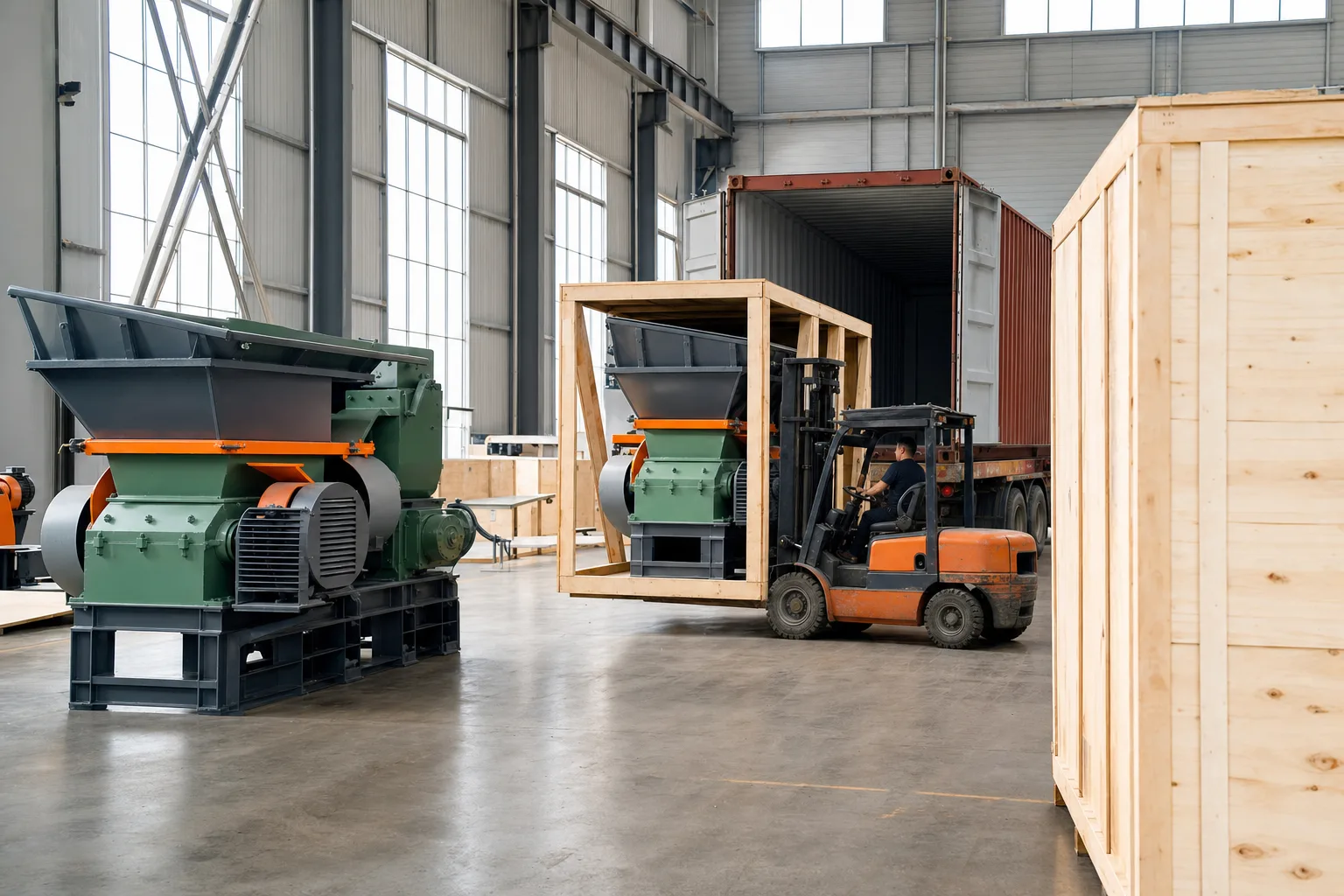
Production, testing, export packing and installation guidance through to commissioning.
To receive a more accurate recommendation, please include your material type, material condition, required capacity, target output, plant space, local voltage and destination country in the message. Photos or videos of your raw material are also helpful.
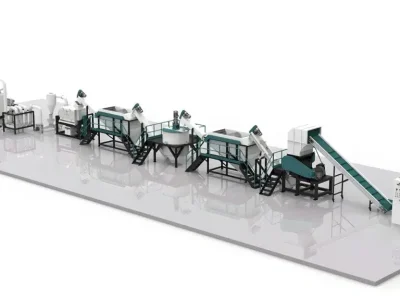
The SUHUI HDPE rigid milk bottle recycling washing line processes post-consumer HDPE dairy packaging into clean HDPE flakes or optional recycled pellets through label and cap removal, shredding, hot alkaline washing, friction scrubbing, float-sink separation, drying and closed-loop water recycling. Standard configurations support 300-2,500 kg/h input capacity.
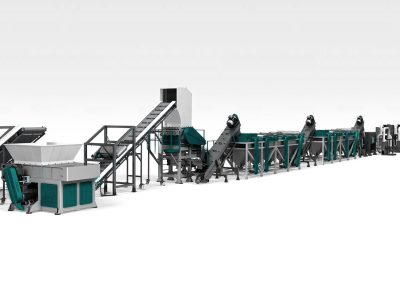
The SUHUI PP jumbo bag recycling washing line is a specialized system designed to recycle used polypropylene (PP) bulk bags, FIBCs (Flexible Intermediate Bulk Containers), and ton bags into clean, reusable PP flakes or pellets. These woven PP bags accumulate heavy contamination from bulk material transport — including embedded sand, soil, chemical powders, and moisture — requiring more intensive processing than standard plastic film recycling.
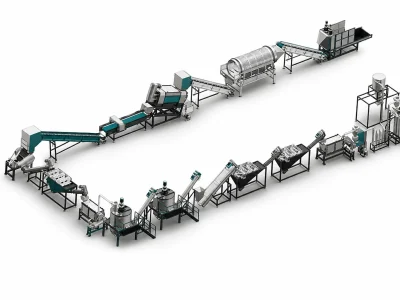
The SUHUI PET bottle sorting washing line recycles post-consumer PET bottle bales into clean PET flakes through bale breaking, optical sorting, label removal, crushing, hot alkaline washing, float-sink separation, drying and flake optical sorting. Standard configurations support 500-3,000 kg/h input capacity.