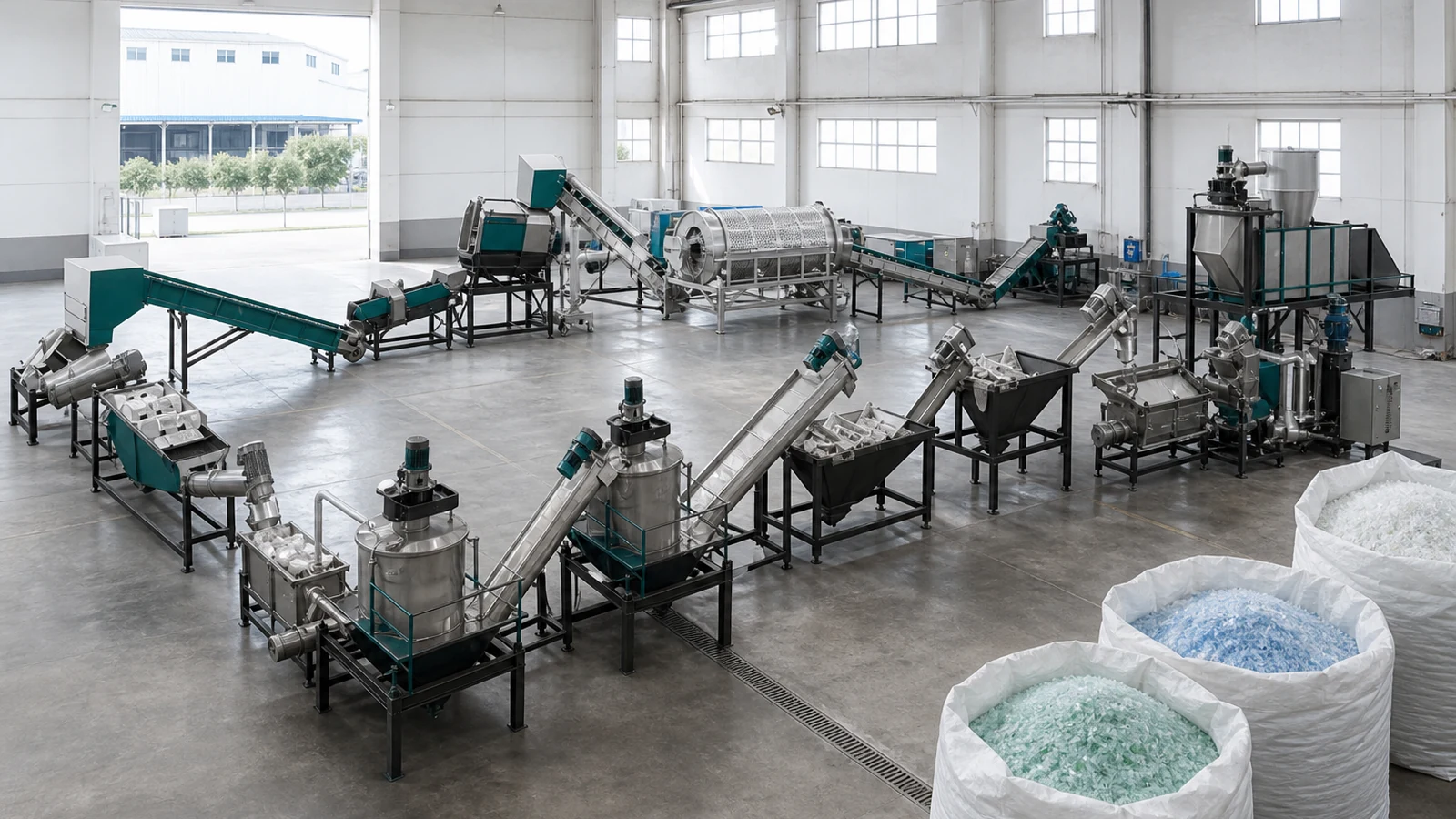
A plastic recycling washing line cleans contaminated plastic bottles, films, bags or rigid plastic through feeding, washing, separation, dewatering and drying stages before reuse or pelletizing.
A plastic recycling washing line is specified from one number more than any other: how much of what arrives is not plastic. Clean in-house offcuts need rinsing; post-consumer agricultural film can carry 30 to 50 percent soil, moisture and organic matter by weight, and every stage after the feeder has to be sized for that load rather than for the nominal kg/h on the quotation. SUHUI builds washing plants for HDPE rigid packaging, PET bottles, PP jumbo bags and soft film. Film is the most common request: the PP PE film washing line runs 300–2,000 kg/h with float-sink density separation and brings agricultural and packaging film below 5 percent moisture. Washed flakes normally feed straight into a plastic pelletizing line, and material too large to feed the washer goes through a crusher or shredder first. As a factory-direct manufacturer we size the line from a material sample rather than from a capacity figure. Send photographs of the incoming bale and we will tell you which stages you need and which you can leave out. See delivered washing and pelletizing projects for real layouts and achieved output.
Machine Range
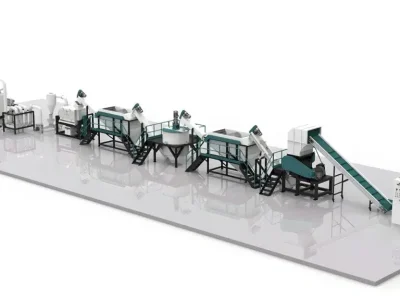
The SUHUI HDPE rigid milk bottle recycling washing line processes post-consumer HDPE dairy packaging into clean HDPE flakes or optional recycled pellets through label and cap removal, shredding, hot alkaline...
Read More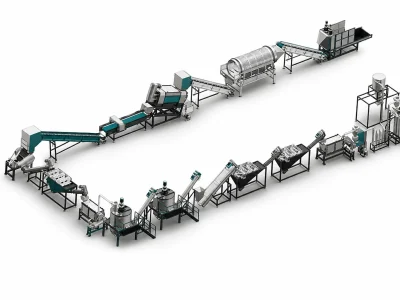
The SUHUI PET bottle sorting washing line recycles post-consumer PET bottle bales into clean PET flakes through bale breaking, optical sorting, label removal, crushing, hot alkaline washing, float-sink separation, drying...
Read More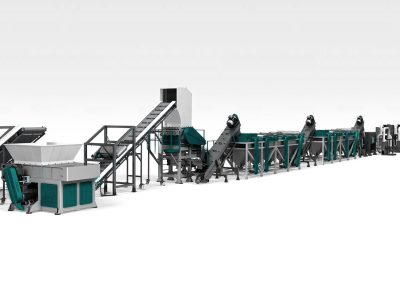
The SUHUI PP jumbo bag recycling washing line is a specialized system designed to recycle used polypropylene (PP) bulk bags, FIBCs (Flexible Intermediate Bulk Containers), and ton bags into clean,...
Read More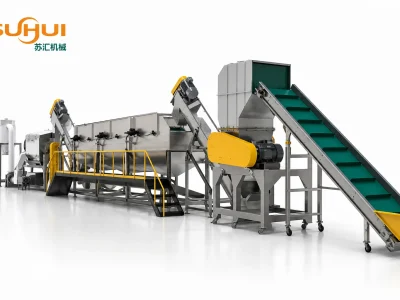
The SUHUI PP PE soft film recycling washing line turns contaminated PP and PE film waste — agricultural mulch film, greenhouse covers, stretch wrap, LDPE/LLDPE packaging film — into clean,...
Read MoreSelection Guide
| Material / project situation | Recommended machine | Why it fits |
|---|---|---|
| HDPE milk bottles, drums and rigid packaging | HDPE Rigid Milk Bottle Recycling Washing Line | Rigid HDPE floats, so density separation removes caps and PET labels cleanly. The stages that matter are label pre-removal and hot washing to lift milk residue and adhesive; skip the hot stage and the flakes will smell, which is the first thing a buyer checks. |
| Post-consumer PET bottles for flake production | PET Bottle Sorting Washing Line | PET sinks and PVC sinks with it, so optical or manual sorting has to happen before washing rather than after. A few PVC bottles per tonne will scorch in the downstream extruder and show as black specks in the pellet. |
| Woven PP bags, FIBC and raffia sacks | PP Jumbo Bag Recycling Washing Line | Woven material traps whatever it carried and wraps around standard rotors. This line shreds first with anti-winding geometry, then washes; residue from the previous cargo, not the polymer, is what sets the number of wash stages. |
| PP and PE packaging film, agricultural film, LDPE scrap | PP PE Soft Film Recycling Washing Line | The heaviest-duty lane. Agricultural film arrives with soil and moisture at a third of its weight, so pre-washing, grit removal and multi-stage friction washers come before the density tank. Dewatering and drying capacity decide whether output reaches the sub-5 percent moisture a pelletizer needs. |
| Clean in-house production scrap | You may not need a washing line | Uncontaminated factory offcuts and purge can usually go straight to pelletizing. Buying a washing line for clean scrap adds water treatment, drying energy and a yield loss you do not need. Tell us the source of the material and we will say so. |
Machine and line configuration is decided by these project factors. Confirming them early makes the recommendation faster and more accurate.
Send your project factorsThis is the only real selection axis in washing. Two plants running the same polymer need different lines if their material arrives in different condition.
Send a photograph of the incoming bale with your enquiry, not just the polymer and the target output. A film line for clean post-industrial scrap and one for agricultural film differ by roughly a factor of two in price at the same kg/h, and the difference is entirely in the wash and dry stages.
The hot stage is the single most expensive option on a washing line to run, and about half of enquiries do not need it.
Wash stage
What it removes
ColdSoil, sand, dust and loose surface dirt through friction and water volume.
HotAdhesive, grease, oil, food residue and printing ink, usually with caustic dosing at 70–90 °C.
When you need it
ColdPost-industrial film, clean rigid packaging, agricultural film where soil is the only problem.
HotLabelled bottles, taped film, anything that held food or lubricant. Mandatory for HDPE milk bottles and most PET bottle lines.
Running cost
ColdWater and drive power only. The cheapest stage in the line to operate.
HotHeating is usually the largest single energy item, ahead of the dryer. Caustic is a consumable and a disposal cost.
Effect on output
ColdFlakes look clean but retain odour and adhesive residue if either was present.
HotRemoves odour, which is often what decides whether the flake sells at food-adjacent grade or as general recyclate.
Watch for
ColdSpecifying cold only, then discovering the buyer rejects the flake on smell.
HotCaustic water cannot go to drain. Adding a hot stage means adding water treatment, which is a second cost buyers often miss.
Decide this from what your buyer accepts, not from what the material looks like. Odour is the test most recyclate fails, and odour comes from residue a cold wash leaves behind. If you are selling into packaging rather than into pipe or pallets, budget for the hot stage.
Water is the running cost buyers ask about last and regret first. It also decides whether a plastic washing plant is permitted at all in some regions.
Fresh water make-up
0.5–3 m³/t
Recirculated
80–95%
Figures for a closed-loop line. Open-loop lines use several times more and are increasingly not permitted.
| Stage | Water role | What ends up in it |
|---|---|---|
| Pre-wash and grit removal | Highest volume, lowest quality requirement | Soil, sand, stones. Settles out mechanically and is the easiest fraction to handle. |
| Friction washing | High volume, continuous exchange | Fine suspended solids and plastic fines. Needs filtration before recirculation or it abrasively wears pumps. |
| Hot wash with caustic | Lower volume, chemically loaded | Adhesive, grease, ink and dissolved caustic. This fraction cannot go to drain untreated and drives the treatment specification. |
| Density separation and rinse | Moderate volume, cleanest requirement | Light residual fines. Usually the easiest water to recirculate directly. |
Ask for the make-up figure in cubic metres per tonne of output, not the total circulating flow. Circulating flow tells you the pump size; make-up tells you the water bill and the discharge permit. Closed-loop treatment is quoted separately from the washing line and is not a small line item on post-consumer film.
Material condition moves the price more than capacity does. Two lines at the same kg/h can differ by a factor of two.
Reference budget
$40,000–100,000
Throughput
300–1,000 kg/h
FOB, washing line only. Water treatment, pelletizing and material handling are quoted separately.
| Material lane | Where it sits in the range | Why |
|---|---|---|
| Clean rigid packaging | Lower third | Few wash stages, cold water, modest dewatering. Capacity is the main variable. |
| HDPE bottles and PET bottles | Lower to middle | Hot wash and label removal are mandatory, but the material is dense and easy to convey and dewater. |
| Woven PP bags and FIBC | Middle | Anti-winding shredding ahead of washing, and stage count set by previous cargo residue rather than by the polymer. |
| Post-consumer and agricultural film | Upper third | Grit removal, multiple friction washers, hot wash, heavy dewatering and drying. Also the lane that needs the most water treatment. |
Ask 01
Is water treatment in the price?On post-consumer film it is a substantial second purchase, not an accessory.
Ask 02
What yield should I expect?Agricultural film typically yields 60 to 75 percent. A quotation in kg/h of input tells you nothing about saleable output.
Ask 03
What moisture does it reach?Below 5 percent for film, lower for PET. Anything higher and the pelletizing stage will not hold quality.
Cross-category price ranges for shredding, pelletizing and complete lines are on the plastic recycling machine overview. Exact figures depend on material condition and output and are confirmed with the quotation.
Before You Ask
To receive a more accurate recommendation, send your material type, material form, contamination level, required capacity, target output, plant space, local voltage and destination country. Material photos or videos are also helpful.
Tell us your material and target output. We reply with practical recommendations, not generic sales replies.
Send SUHUI your material type, target capacity, final output, plant space, voltage and destination country. Material photos or videos help our team recommend a suitable machine or complete line configuration.