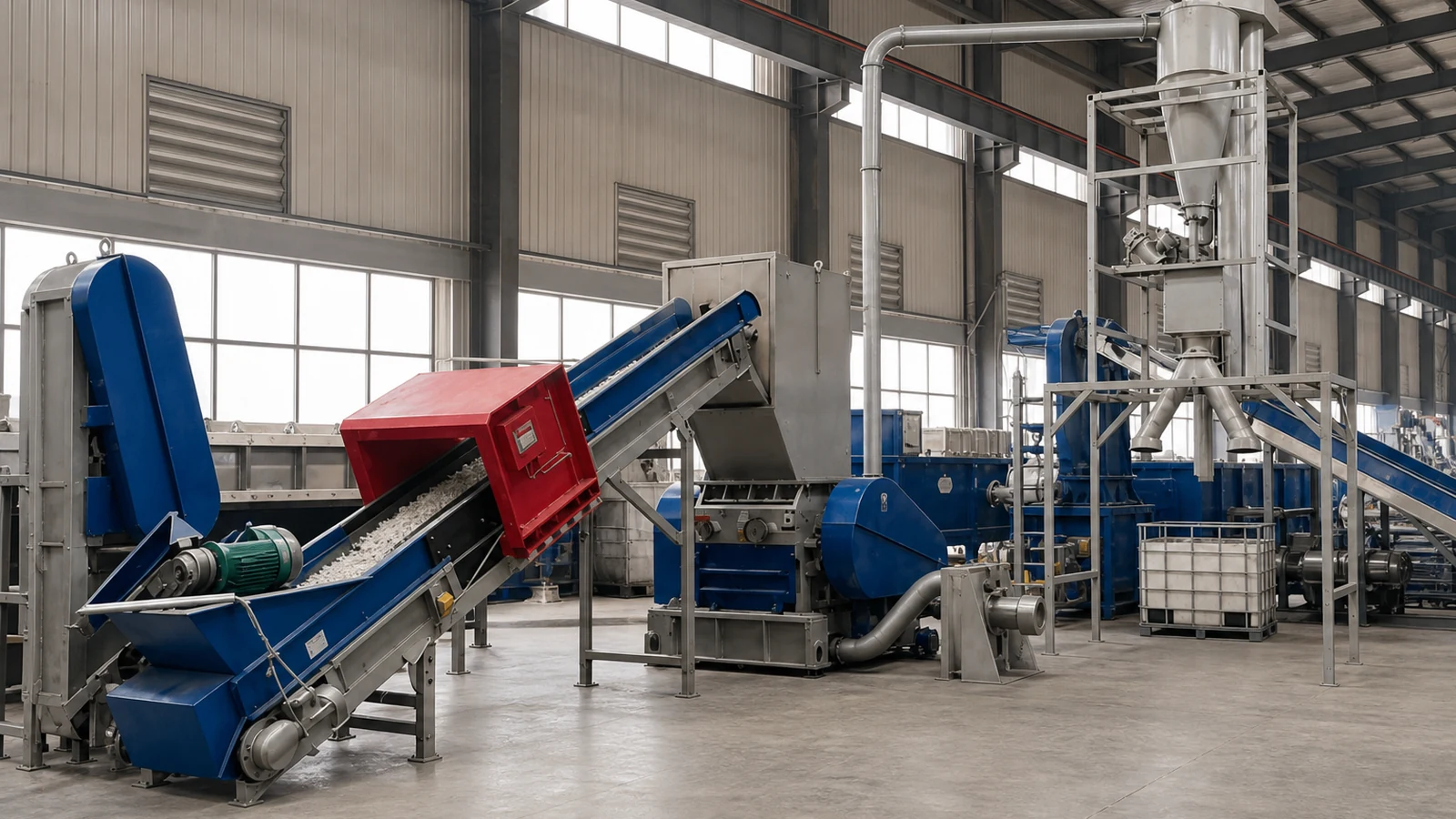
A jumbo bag shredder cuts PP jumbo bags, woven bags and FIBC waste into smaller pieces for washing or pelletizing.
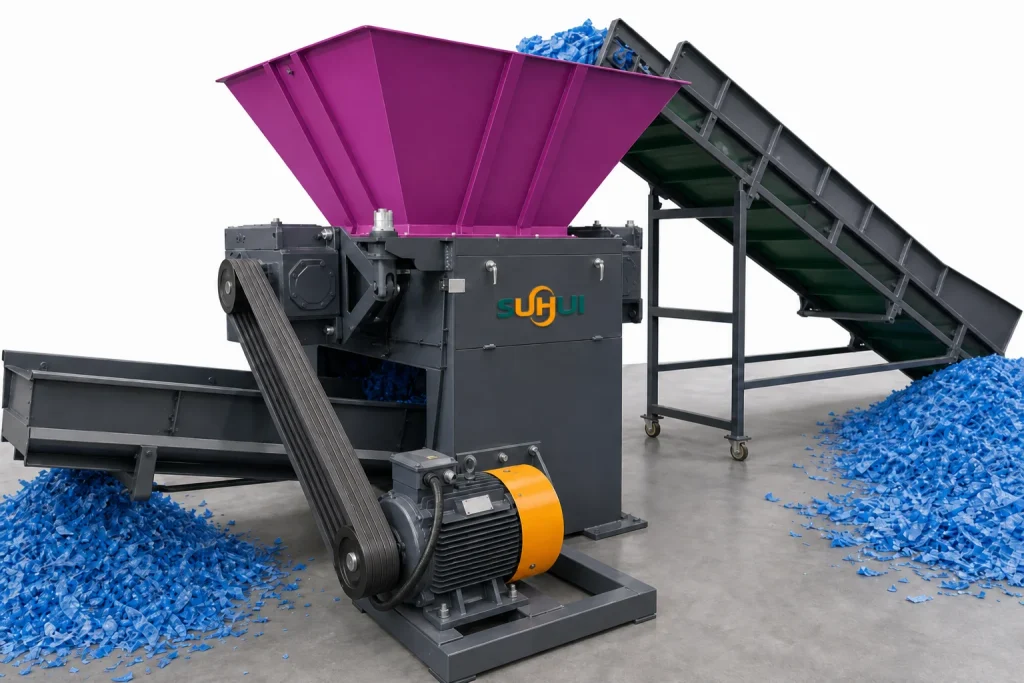
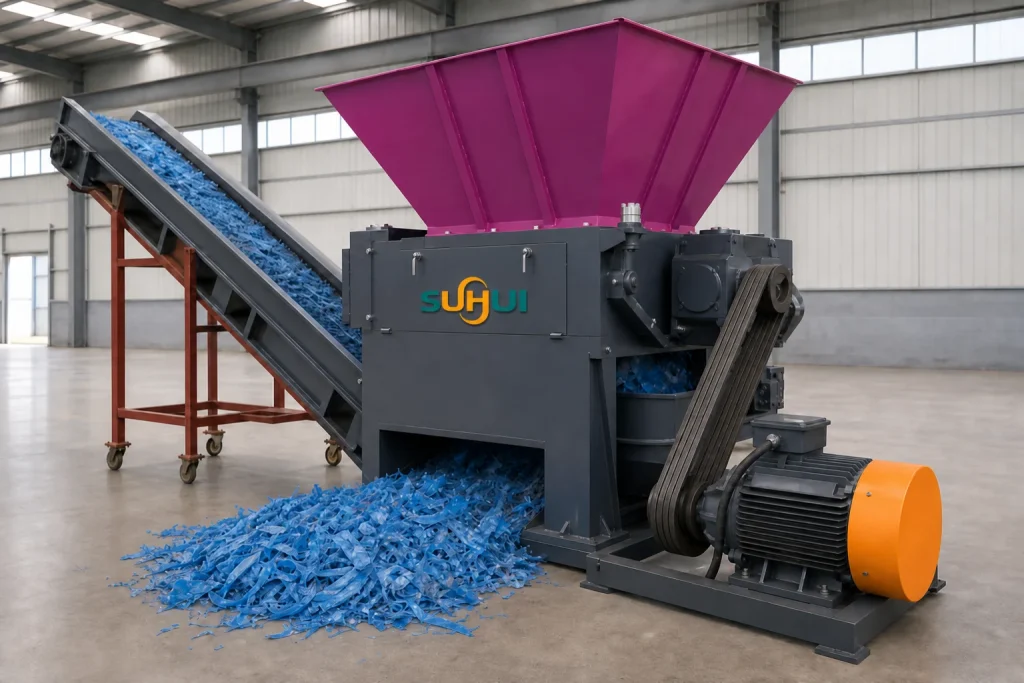
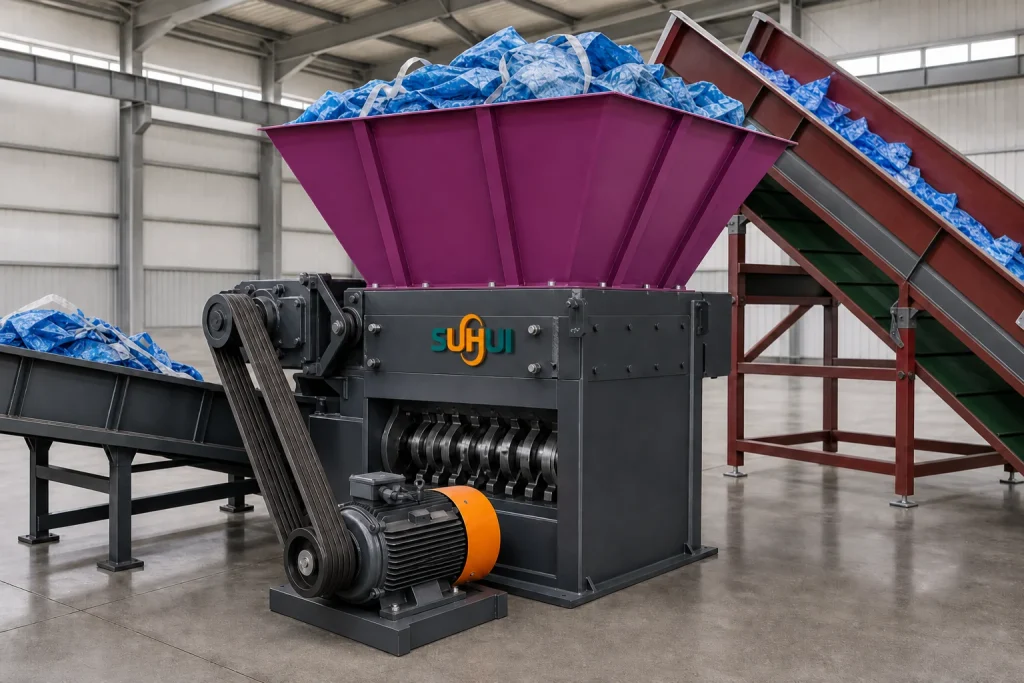
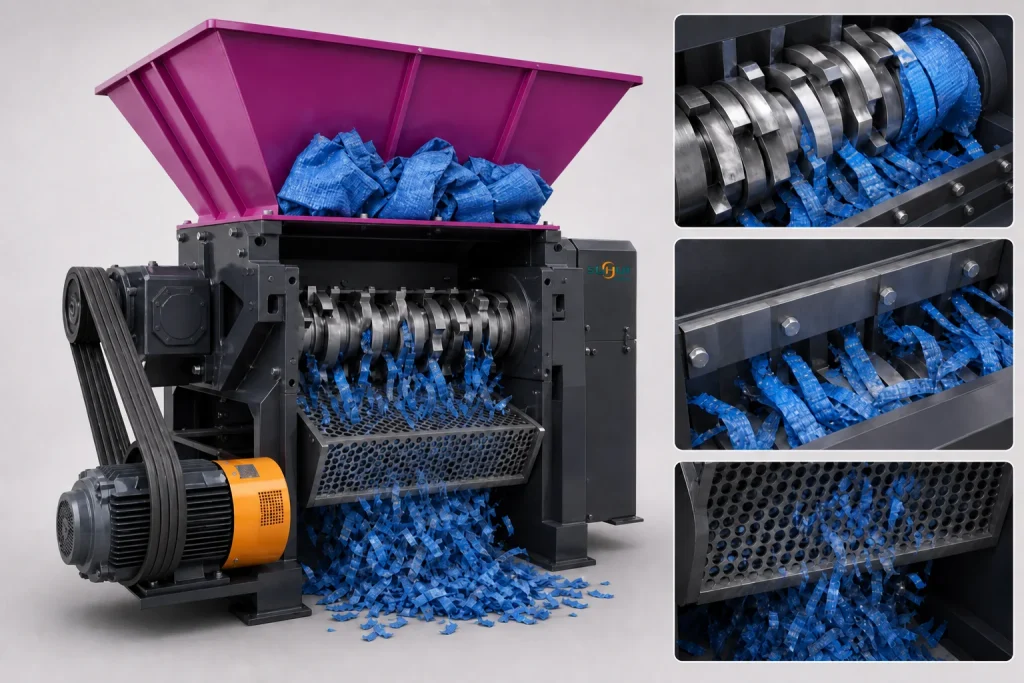
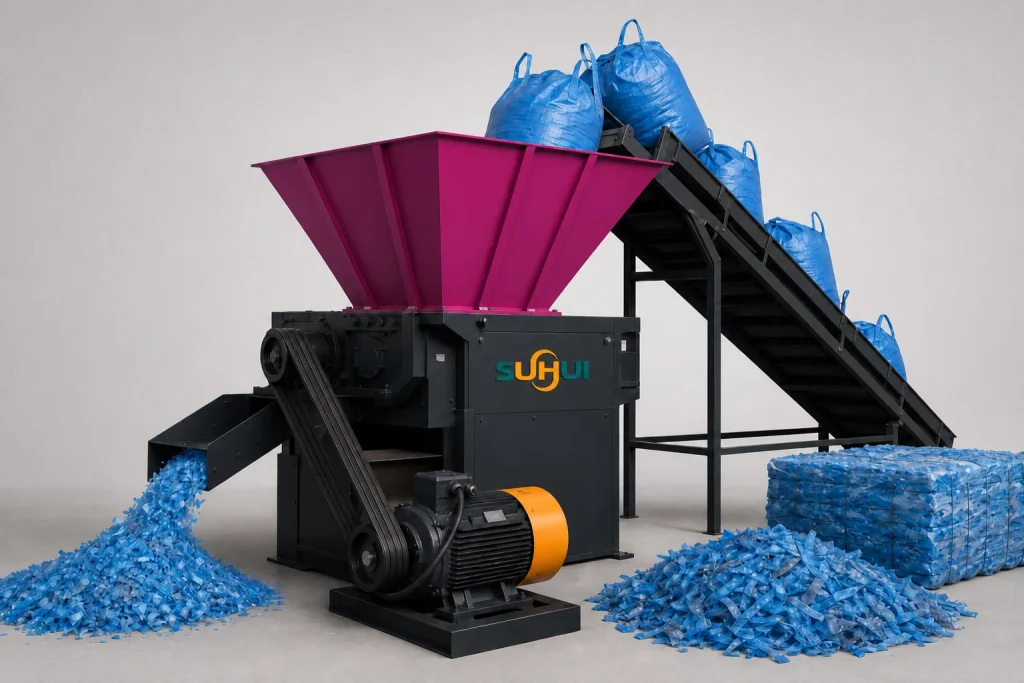
The SUHUI jumbo bag shredder machine processes FIBC jumbo bags, bulk bags, ton bags, woven PP bags, PP raffia sacks and residue-contaminated bags into screen-controlled PP strips and flakes for washing, granulation and pelletizing. It uses an anti-winding rotor, reinforced cutting chamber, interchangeable screen basket, PLC control and optional dust extraction for industrial PP bag recycling.
The SUHUI jumbo bag shredder machine is a specialized industrial plastic shredder designed for Flexible Intermediate Bulk Containers (FIBCs), bulk bags, ton bags, woven PP bags, and other polypropylene packaging waste. It is built to solve the main recycling challenge of jumbo bags: flexible woven fabric can wrap around standard rotor shafts instead of being cut cleanly.
With an anti-winding rotor, reinforced cutting chamber, interchangeable screen basket, and PLC control, the machine cuts whole or residue-contaminated PP jumbo bags into strips and flakes for washing, granulation, and pelletizing. For recyclers handling post-industrial packaging waste, this gives a more stable front-end process before PP washing lines or granulators.
Unlike a general plastic shredder machine or plastic bag shredder machine that may struggle with thick woven fabric, the SUHUI jumbo bag shredder focuses on high-torque fabric gripping, anti-wrapping cutting geometry, and screen-controlled output for downstream recycling quality.
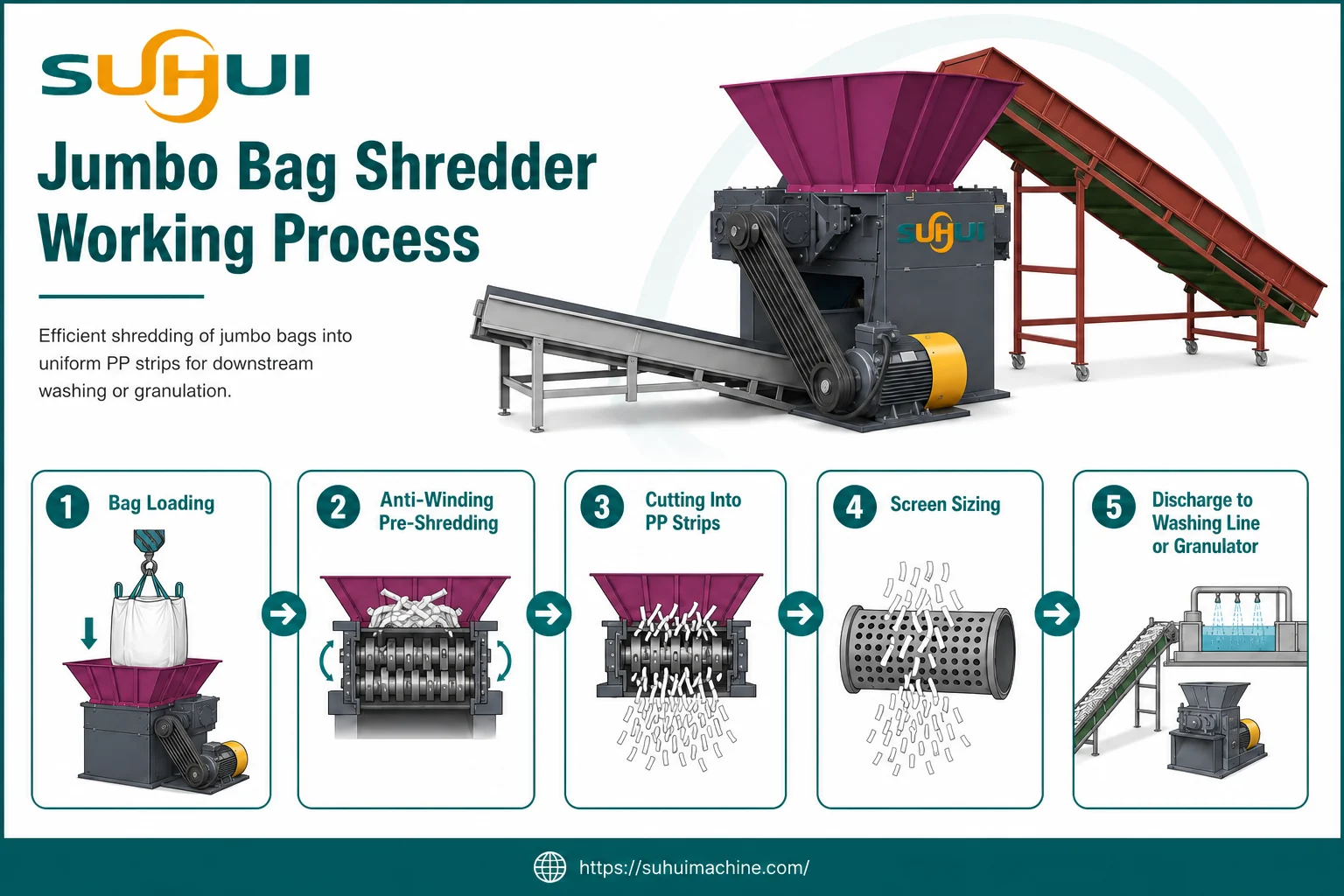
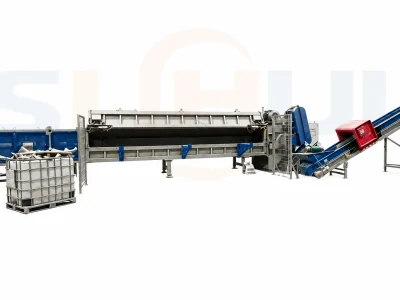
Jumbo bag shredder working process from bag loading, anti-winding pre-shredding, cutting into PP strips, screen sizing, and discharge to a washing line or granulator.
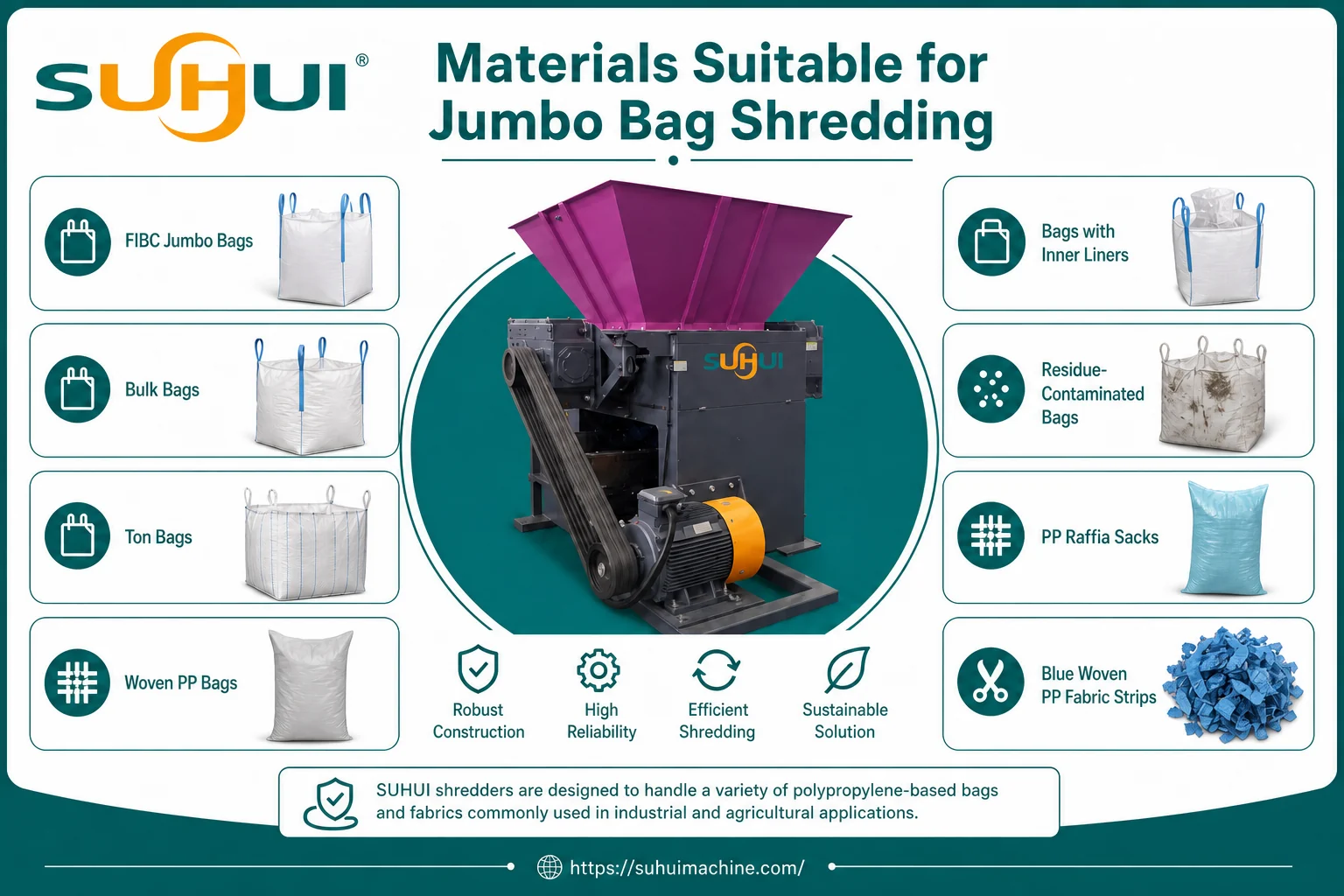
The jumbo bag shredder can process FIBC jumbo bags, bulk bags, ton bags, woven PP bags, PP raffia sacks, bags with inner liners, and residue-contaminated bags.
A woven bag shredder is recommended when the material is flexible, tough, and likely to wrap around standard shredder shafts. FIBC bags, PP woven sacks, and raffia bags behave differently from rigid plastic containers because the fabric folds, stretches, and twists during cutting.
If the recycling line handles whole jumbo bags, contaminated bulk bags, or post-industrial woven PP packaging, a purpose-built FIBC shredder or bulk bag shredder helps reduce manual cutting, lower jam risk, and create more consistent feed for washing or granulation.
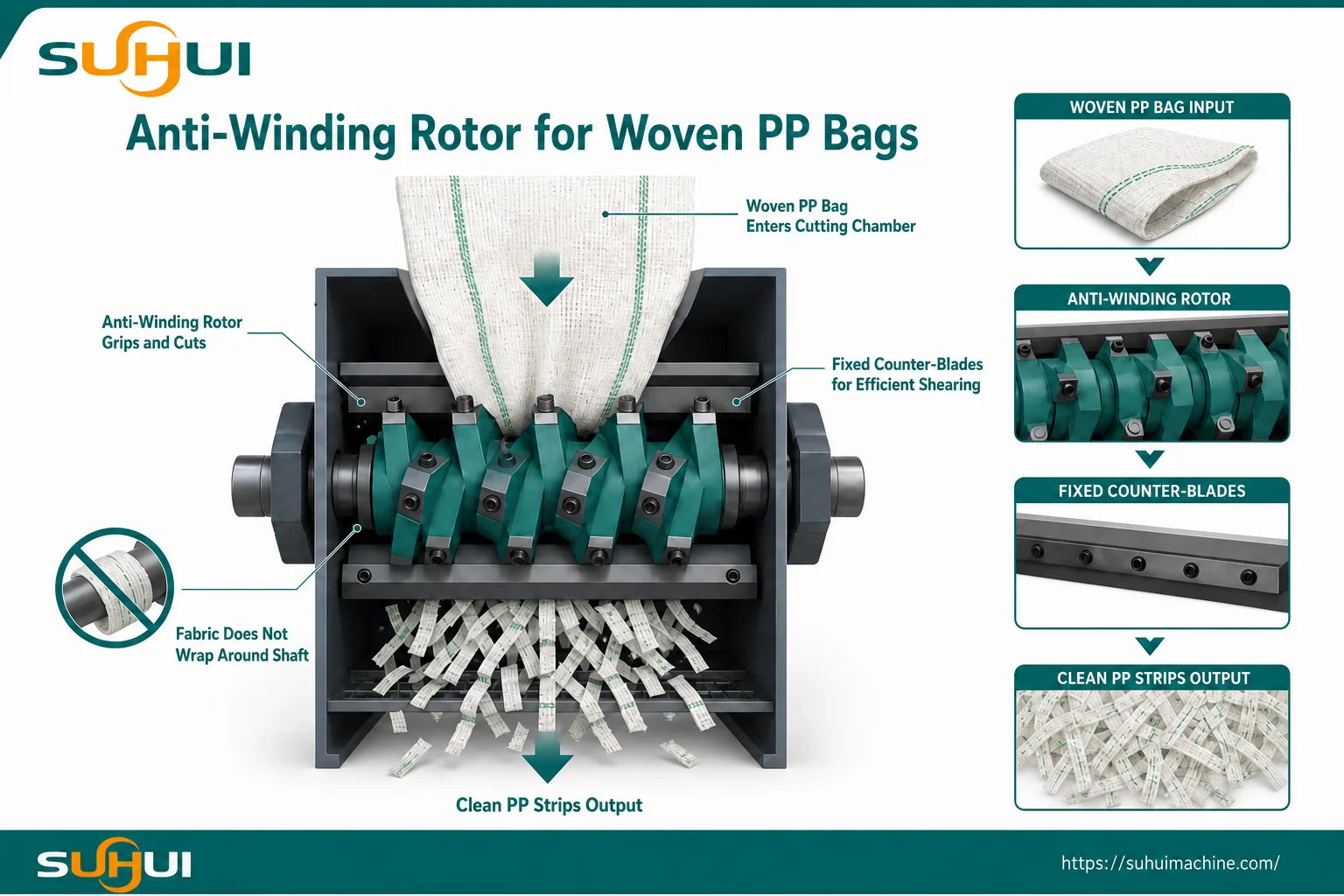
The anti-winding rotor grips woven PP fabric and cuts it against fixed counter-blades while reducing the risk of material wrapping around the shaft.
Output size is controlled by the screen basket installed at the bottom of the cutting chamber. Oversized woven PP pieces continue circulating until they are small enough to pass through the screen, producing PP strips and flakes suitable for washing, granulation, or pelletizing preparation.
This screen-controlled design helps make jumbo bag recycling more predictable than uncontrolled tearing. Different screen configurations can be selected according to downstream process requirements, without adding unsupported claims about exact screen hole size or production capacity.
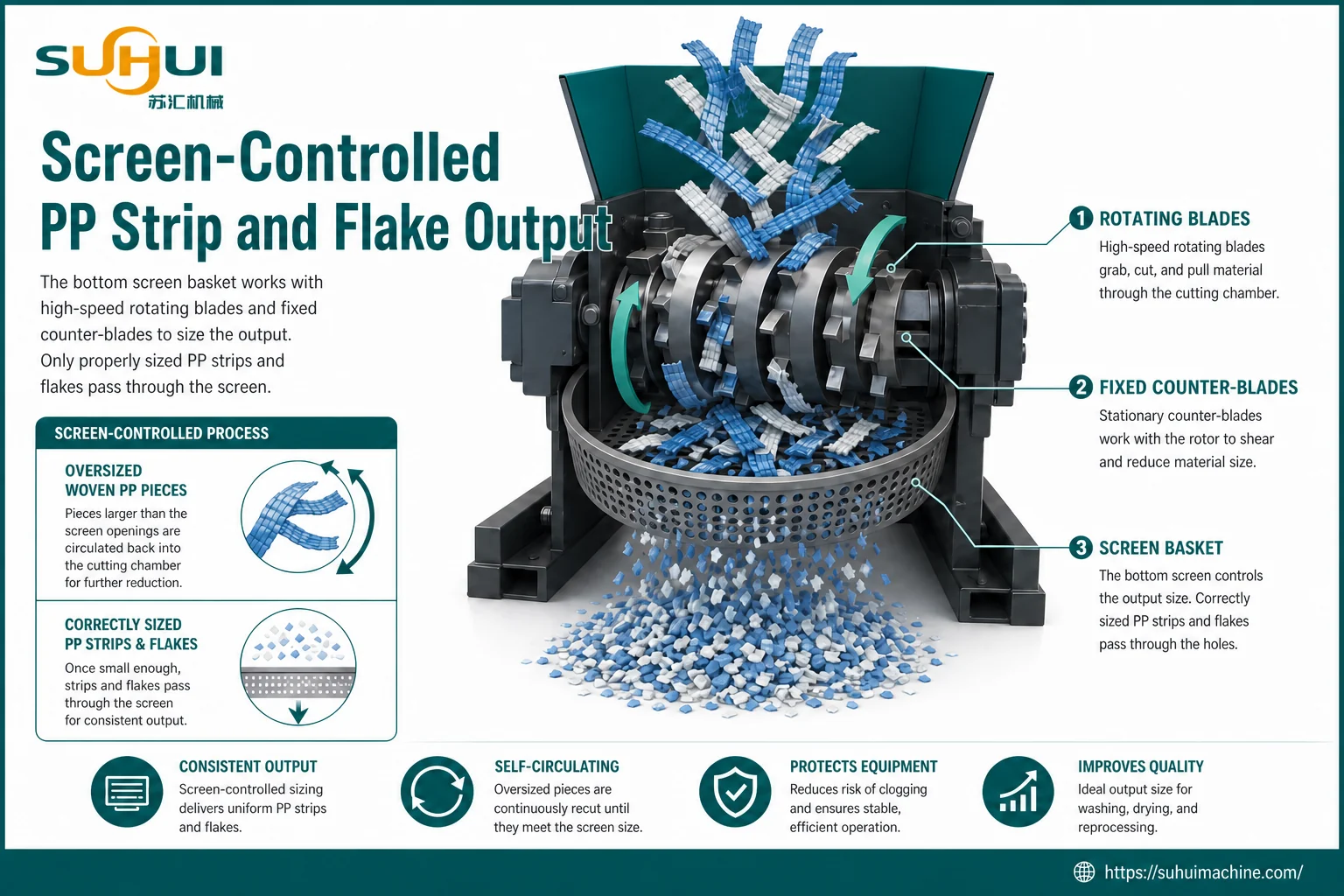
Rotating blades, fixed counter-blades, and the bottom screen basket work together to produce screen-controlled PP strip and flake output.
Used jumbo bags may contain residual powders, granules, or moisture from previous use. The shredder can handle residue-contaminated bags when the material is suitable for the recycling process and metal hardware or hazardous contamination has been removed.
For dusty applications, an optional dust extraction unit can be connected to the shredding chamber. This helps collect airborne particles during operation and supports a cleaner working area before the shredded PP material moves to washing or granulation.
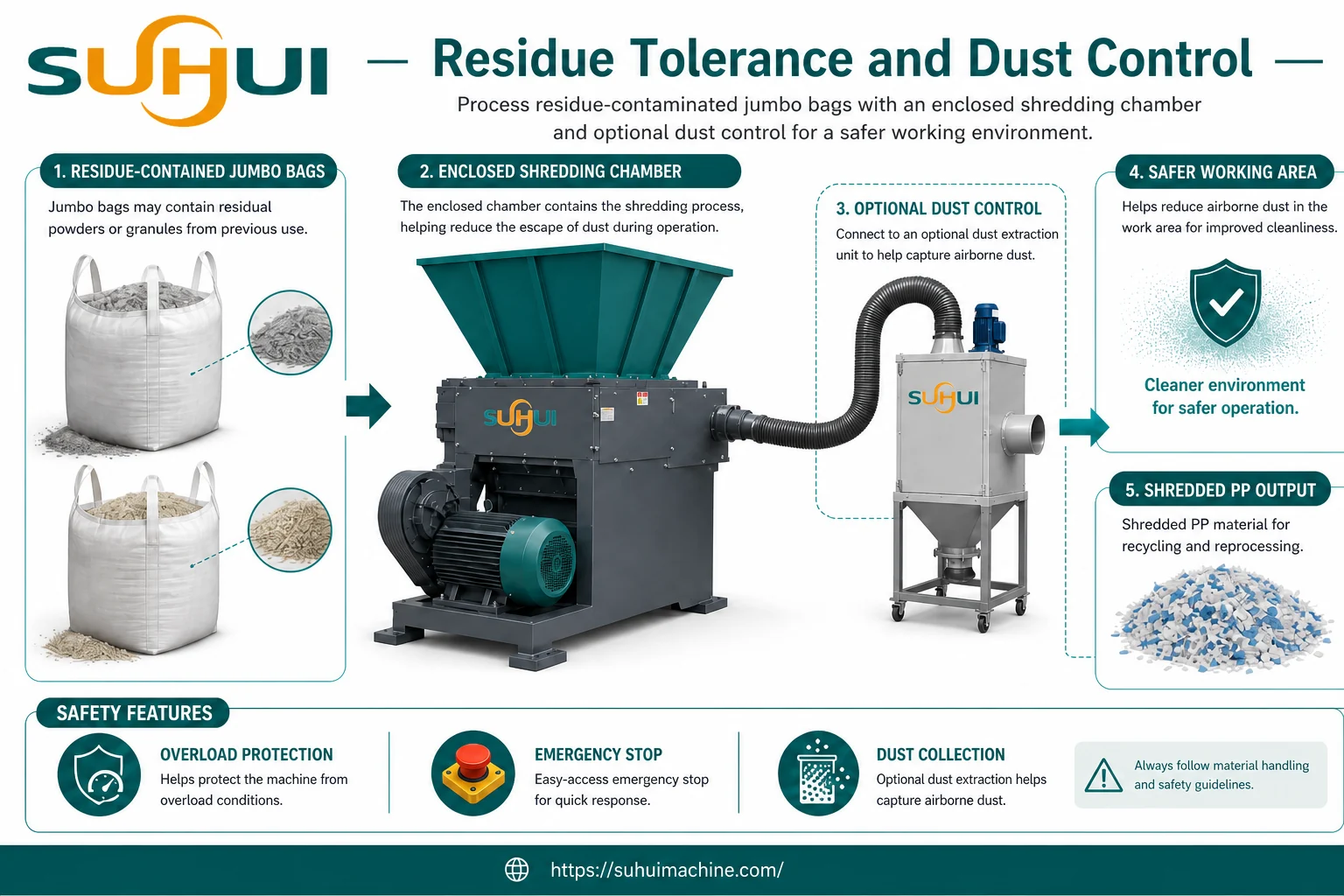
Residue tolerance and optional dust control support safer handling of used jumbo bags that may contain powders, granules, or moisture.
Shredded PP strips and flakes from the jumbo bag shredder can feed a plastic washing line for cleaning, a granulator for further size reduction, or a pelletizing line after proper preparation. As a specialized plastic waste shredder for woven PP packaging, the goal is to turn bulky bags into reusable recycled PP pellets or PP products.
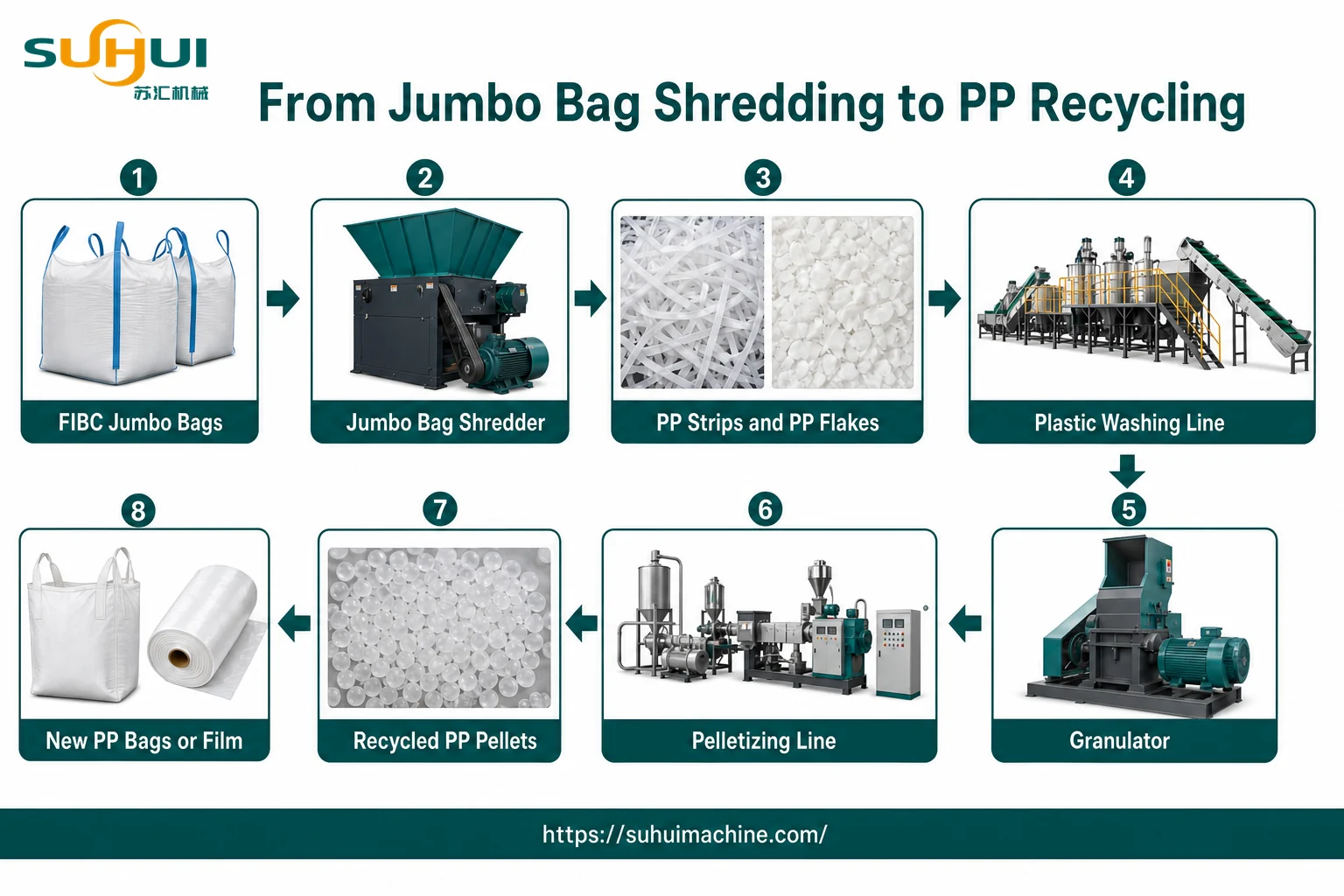
Jumbo bag shredding prepares FIBC bags and woven PP packaging for washing, granulation, pelletizing, recycled PP pellets, and new PP products.
Yes. Woven polypropylene jumbo bags can be recycled when they are shredded into PP strips or flakes, cleaned in a washing line, and processed through granulation or pelletizing. Metal hardware and unsuitable contaminants should be removed before shredding.
A purpose-built jumbo bag shredder can shred plastic bags, FIBC bulk bags, ton bags, and woven PP sacks. Standard shredders may jam because flexible fabric wraps around the shaft, so anti-winding rotor geometry is important for this material.
A FIBC shredder is used to reduce large bulk bags into smaller PP strips or flakes before washing, granulation, or pelletizing. It is commonly used in recycling plants handling post-industrial woven polypropylene packaging waste.
Jumbo bags wrap around standard shredder rotors because woven PP fabric is flexible and can twist around the shaft instead of breaking immediately. Anti-winding rotor geometry helps grip, pull, and cut the fabric more consistently.
Output size is controlled by the screen basket at the base of the cutting chamber. Woven PP fragments remain inside until they are small enough to pass through the screen, then discharge as strips or flakes for downstream processing.
Jumbo bag shredder output can feed a plastic washing line, granulator, drying system, pelletizing line, collection bin, or conveying system. The exact downstream layout depends on contamination level, target output quality, and recycling process design. Choosing between shaft configurations depends on bale density and target output size; our guide to industrial plastic shredder types works through that decision in detail.
Tell us your material type, condition, required capacity and target output. Photos or videos help.
SUHUI reviews the feeding method, process route and machine configuration for your material.
You receive an equipment list and quotation, with capacity, layout, voltage and automation matched to the project.
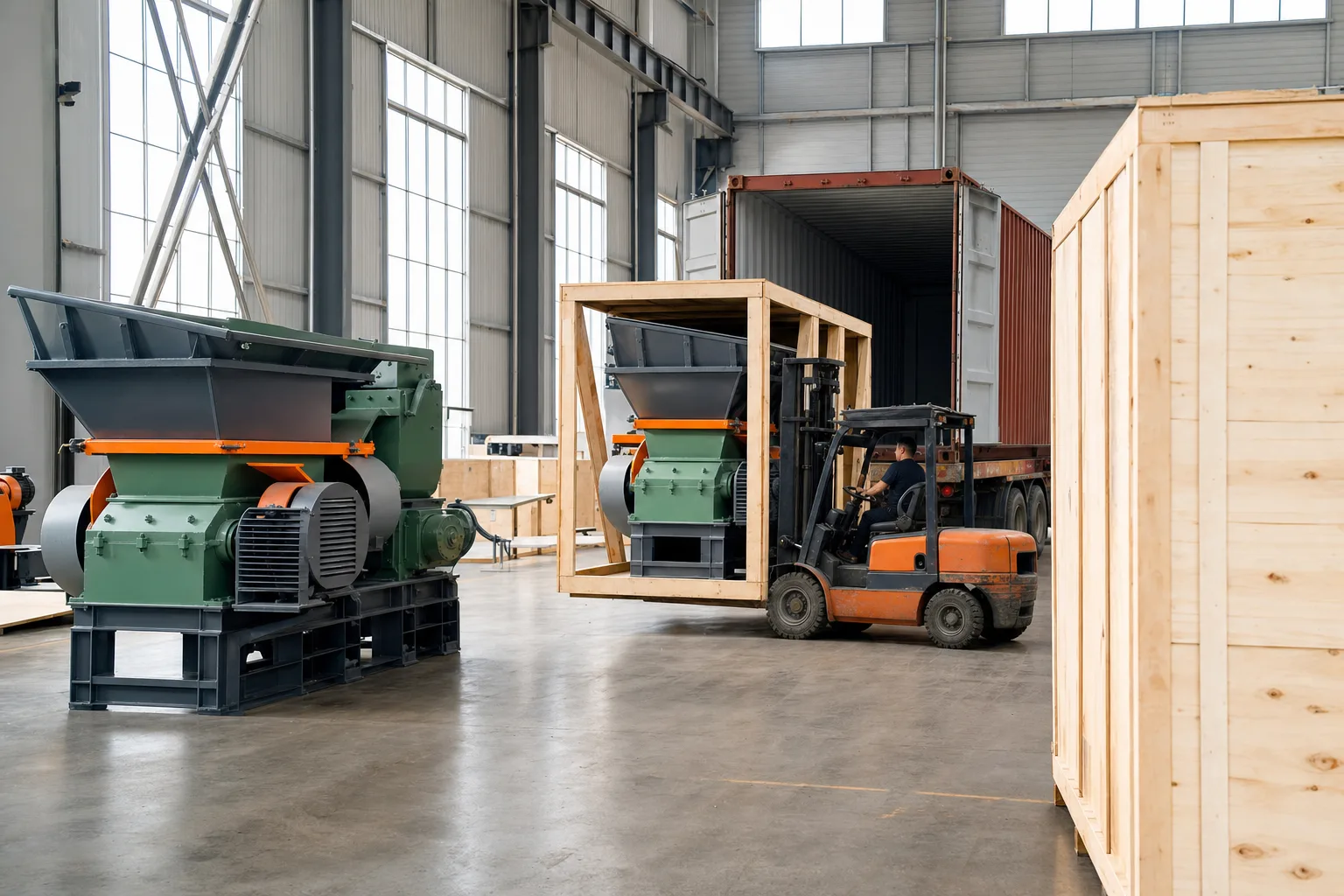
Production, testing, export packing and installation guidance through to commissioning.
To receive a more accurate recommendation, please include your material type, material size, hardness, desired output size, hourly capacity, feeding method and downstream process in the message.
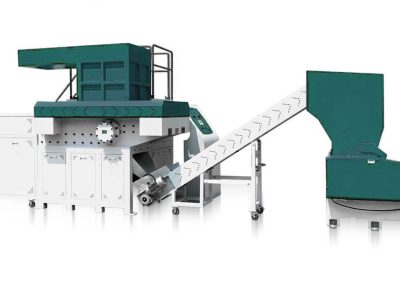
The SUHUI single shaft shredder reduces plastic films, pipes, profiles, rigid containers, packaging waste and mixed industrial scrap into screen-controlled fragments for granulators, washing lines, pelletizing lines or direct reprocessing. It uses a high-speed rotor, fixed counter-blades, interchangeable screen basket, modular hardened steel blades, auto-reverse protection and PLC touchscreen control.
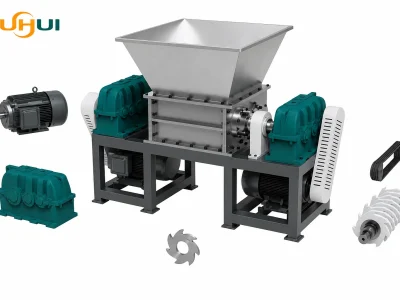
The SUHUI double shaft shredder reduces bulky plastic drums, industrial containers, HDPE and PP pipes, jumbo bags, profiles, sheets, film bales and mixed rigid plastic waste into manageable first-stage fragments for granulators, washing lines, finer shredders or pelletizing systems. It uses dual counter-rotating shafts, interlocking hardened steel blades, hydraulic overload protection, auto-reverse control and PLC operation.
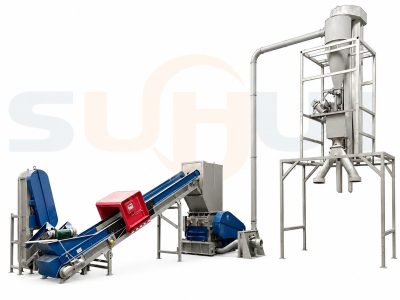
The SUHUI plastic crusher is a robust machine designed to reduce plastic waste into uniform pieces for direct reuse in manufacturing. It efficiently processes a wide range of plastic materials including HDPE, LDPE, PP films, fibers, and woven bags, transforming post-industrial and post-consumer waste into high-quality recycled raw materials.
The SUHUI HDPE pipe shredder is designed for large, rigid and thick-walled HDPE pipe scrap from water supply, gas distribution, drainage and pipe manufacturing applications. It uses a reinforced feed opening, low-speed high-torque rotor, hardened alloy blades, PLC control and discharge conveyor to reduce large pipe waste into HDPE chunks suitable for granulation, washing or pelletizing.