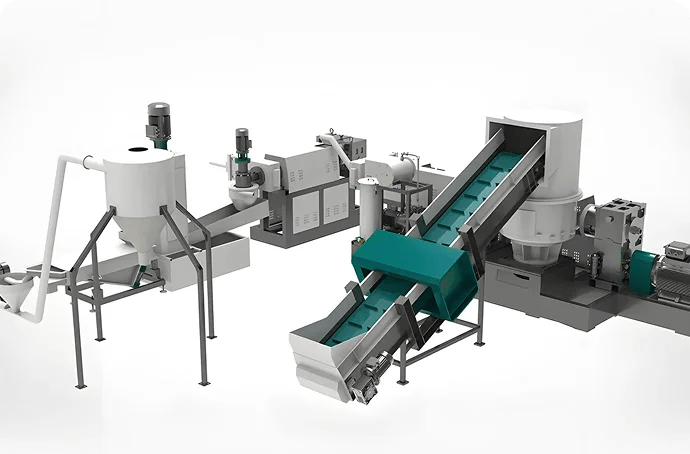

PET Bottle Sorting Washing Line
The SUHUI PET bottle sorting washing line is engineered to recycle post-consumer PET bottles into high-purity flakes for use in food-grade packaging, polyester fiber, and textile applications. It integrates advanced automated sorting, multi-stage hot washing, and precision drying technologies to efficiently process mixed, contaminated PET bottle bales.
Product Description
The SUHUI PET bottle sorting washing line is engineered to recycle post-consumer PET bottles into high-purity flakes for use in food-grade packaging, polyester fiber, and textile applications. It integrates advanced automated sorting, multi-stage hot washing, and precision drying technologies to efficiently process mixed, contaminated PET bottle bales.
The system systematically eliminates all major contaminant types — including sleeve labels, PP/PE caps, adhesives, organic residues, and non-PET plastics — to produce clean PET flakes that meet FDA and EU food-contact recycled material standards. The washing line supports input capacities from 500 to 3,000 kg/h, making it suitable for small recycling facilities through to industrial-scale bottle-to-bottle recycling operations.
SUHUI’s closed-loop water recycling system minimizes fresh water consumption and wastewater output, while automated optical color sorting ensures clear, light blue, and green PET flakes are separated to maximize the value of recycled output.
Key Features of SUHUI PET Bottle Sorting Washing Line
- Automated Optical Sorting: High-speed optical sensors combined with precision air jets automatically separate PET bottles by color (clear, light blue, green) and detect and reject non-PET materials.
- Label & Cap Removal System: Dedicated label removal crushers and friction washers mechanically detach sleeve labels, foil labels, and eliminate residual PP/PE cap fragments before washing.
- Multi-Stage Deep Cleaning: Sequential pre-wash, hot alkaline wash (80–90°C), and chemical washing stages progressively remove dirt, adhesives, oils, and organic residues from flake surfaces.
- Float-Sink Separation: Water density separation tanks efficiently separate PET flakes (which sink) from lighter contaminants including PP/PE labels, caps, and film fragments.
- High-Speed Centrifugal Dehydration: Centrifugal dryers reduce flake moisture content to below 5% before the thermal drying stage, improving drying efficiency and reducing energy consumption.
- Thermal Drying System: Hot air drying reduces final moisture to below 1%, producing dry PET flakes ready for direct pelletizing, fiber spinning, or food-grade reprocessing.
- Food-Grade Compliance: System design and process parameters meet FDA (USA) and EU 10/2011 standards for recycled PET used in food-contact packaging applications.
- Closed-Loop Water Recycling: Integrated water filtration and recirculation minimizes fresh water consumption and reduces wastewater discharge volume.
- Full Stainless Steel Construction: All material-contact components are manufactured from SUS304 stainless steel for corrosion resistance, hygiene compliance, and long service life.
PET Bottle Sorting and Washing Process Workflow
- Bale Breaking & Pre-Sorting: PET bottle bales are broken open and fed into the sorting area, where non-PET materials including metals, glass, PVC bottles, and oversized contaminants are manually or automatically removed.
- Label Removal: Bottles pass through a high-speed label removal unit that mechanically strips sleeve labels and foil labels before shredding, preventing label adhesive contamination of flakes.
- Crushing & Granulating: PET bottles are shredded and granulated into uniform 10–15 mm flakes using a high-speed crusher.
- Pre-Washing: Flakes are rinsed with ambient-temperature water in a pre-wash tank to remove loose dirt, dust, residual beverages, and surface debris.
- Hot Alkaline Washing: Flakes enter a heated alkaline wash tank (80–90°C) where caustic solution dissolves adhesive residues, oils, and organic contamination from flake surfaces.
- Friction Washing: High-speed friction scrubbers further polish flake surfaces, removing any remaining embedded contaminants and label adhesive traces.
- Float-Sink Separation: Flakes pass through water separation tanks where PET (density >1 g/cm³) sinks and is collected, while lighter PP/PE film and label fragments float and are skimmed off.
- Rinsing & Centrifugal Dewatering: Clean PET flakes are thoroughly rinsed with fresh water to remove residual chemicals, then centrifugally dewatered to below 5% moisture.
- Optical Color Sorting: Dry flakes pass through optical sorting machines that use sensors and air jets to separate clear, light blue, and green PET flakes, and eject any remaining colored or opaque contaminants.
- Thermal Drying & Packaging: A hot air drying system reduces final moisture to below 1%. Clean, sorted PET flakes are conveyed to storage silos or bagged for sale or downstream pelletizing.
Frequently Asked Questions
What types of PET waste can the SUHUI PET bottle sorting washing line process?
The line is designed to process post-consumer PET bottle bales containing mixed colors, sleeve labels, PP/PE caps, adhesive residues, organic contamination (e.g., beverage residues), and non-PET contaminants including PVC bottles, metal fragments, and glass. The sorting and washing system systematically eliminates all major contaminant types through automated pre-sorting, mechanical label removal, multi-stage hot washing, and optical color sorting to produce clean, food-grade PET flakes.
What output quality standards does the line meet?
The SUHUI PET bottle sorting washing line is designed to produce recycled PET flakes that meet FDA (USA) and EU 10/2011 standards for recycled PET used in food-contact packaging applications. The multi-stage hot alkaline washing process, friction scrubbing, and final moisture control to below 1% ensure output flakes meet the purity requirements for bottle-to-bottle recycling, food-grade packaging film, polyester fiber spinning, and textile applications.
How does the optical color sorting system work?
After thermal drying, PET flakes pass through high-speed optical sorting machines equipped with optical sensors and precision air jets. The system automatically separates clear, light blue, and green PET flakes into distinct output streams, while simultaneously detecting and ejecting any remaining colored, opaque, or non-PET contaminants. This optical sorting step maximizes the market value of recycled PET output by producing color-segregated, high-purity flake grades.
What input capacity options are available?
The SUHUI PET bottle sorting washing line supports input capacities from 500 to 3,000 kg/h, making it suitable for small recycling facilities through to industrial-scale bottle-to-bottle recycling operations. SUHUI engineers provide capacity recommendations based on feedstock volume, contamination level, output quality requirements, and available facility footprint, with custom-engineered configurations available for higher throughput needs.
How does the line remove labels and PP/PE caps from PET bottles?
Bottles are first passed through a high-speed label removal unit that mechanically strips sleeve and foil labels before shredding — preventing label adhesive from contaminating flakes. After crushing, the resulting flakes pass through friction washers that dislodge residual label adhesive and cap fragments. A float-sink water separation tank then exploits density differences: PET flakes (density >1 g/cm³) sink and are collected, while lighter PP/PE label and cap fragments float to the surface and are skimmed off.
Does the washing line include a water recycling system?
Yes. The line integrates a closed-loop water filtration and recirculation system that treats and reuses process water throughout all washing stages — pre-wash, hot alkaline wash, friction washing, and rinsing. This minimizes fresh water consumption and reduces wastewater discharge volume, lowering operating costs and supporting compliance with environmental regulations. All material-contact components are manufactured from SUS304 stainless steel for corrosion resistance and hygiene compliance.
Send Us a Message
Related Products

HDPE Rigid Milk Bottle Recycling Washing Line
The SUHUI HDPE rigid milk bottle recycling washing line specializes in processing post-consumer high-density polyethylene (HDPE) dairy packaging waste into clean, high-purity flakes or pellets suitable for reuse in food-contact or industrial manufacturing applications.

PP PE Soft Film Recycling Washing Line
The SUHUI PP PE soft film recycling washing line is a fully automated system designed to recycle polypropylene (PP) and polyethylene (PE) plastic film waste into clean, premium-quality recycled pellets. It efficiently processes diverse film types including agricultural mulch film, greenhouse covers, stretch wrap, post-consumer packaging film, and industrial plastic scraps — whether loose or baled.

PP Jumbo Bag Recycling Washing Line
The SUHUI PP jumbo bag recycling washing line is a specialized system designed to recycle used polypropylene (PP) bulk bags, FIBCs (Flexible Intermediate Bulk Containers), and ton bags into clean, reusable PP flakes or pellets. These woven PP bags accumulate heavy contamination from bulk material transport — including embedded sand, soil, chemical powders, and moisture — requiring more intensive processing than standard plastic film recycling.