PET bottles & flakes
Post-consumer bottles, labels, caps and beverage residue

From waste stream to saleable output
Navigate the complete recycling route—from material assessment and size reduction to washing, pelletizing and downstream extrusion. SUHUI configures each line around your feedstock, quality target and factory reality.

A recycling project is a chain of decisions. A plastic shredder or crusher prepares feedstock; a washing line separates contamination; a pelletizing line stabilizes the melt; and pipe or profile extrusion equipment turns suitable material into a new product.
The correct route depends on polymer, shape, bulk density, moisture, contamination and the output your customer will accept. PET bottles, HDPE rigids, PP / PE film, woven jumbo bags and PVC scrap each behave differently inside the same machine, so two projects that both say "PP recycling" can need completely different plastic recycling equipment once feedstock and target quality are compared.
Line scale is a decision of its own. SUHUI builds the full range of plastic recycling machinery, from a single plastic crusher or shredder to a complete turnkey plastic recycling line with washing, drying and pelletizing stages — so capacity, plant space, power supply and running cost stay part of machine selection from day one, not an afterthought at installation.
Use this hub as a decision map: start from your material, follow the recommended process stages, review the exact machines involved, then send SUHUI a material video for line-level engineering.
Each row connects a real input condition to the machines and technical guidance most likely to matter.


Post-consumer bottles, labels, caps and beverage residue
Milk bottles, detergent containers, crates and injection waste
Agricultural film, packaging film, shopping bags and soft scrap
Printed woven sacks, FIBC bags and raffia production waste
Offcuts, cable compound, profile waste and rejected pipe
Thick-wall HDPE pipe, large lumps, drums and hollow products
A reliable line is not a row of machines. It is a controlled material journey in which every stage protects the next.
 01
01Stable feeding and early contaminant removal protect every downstream machine. Separate metals, labels, caps, sand and incompatible polymers before they create quality losses.
 02
02Low-speed shredders open bulky or flexible waste; high-speed crushers create controlled flakes. Rotor, screen and feeding method must match the material form.
 03
03Cold washing removes loose dirt; friction and hot washing target glue, oil and labels. Tank sequence, residence time and water treatment determine flake purity.
 04
04Mechanical dewatering removes bulk moisture before thermal drying. Film needs squeezing and densification; rigid flakes need centrifugal and hot-air drying.
 05
05Feeding, venting, melt filtration and cutting convert clean flakes into stable pellets. Screw design and filtration area must follow melt behavior and contamination.
 06
06Qualified recycled pellets can return to pipe, profile, sheet or other extrusion. Output tolerances and application requirements define the final process configuration.
Compare the main types of plastic recycling equipment by the role each machine plays in the line. This live directory follows the WordPress product catalog, so newly published machines appear in the correct cluster automatically.
Categories listed in the order material flows through a plant: size reduction first, washing second, pelletizing last.
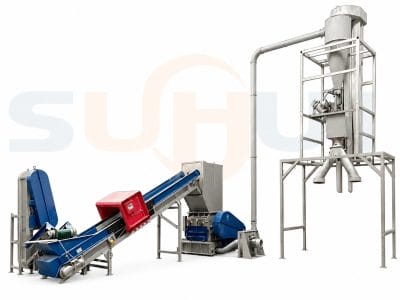
Size reduction for rigid, hollow, film and bag scrap — the first machine in almost every recycling line.
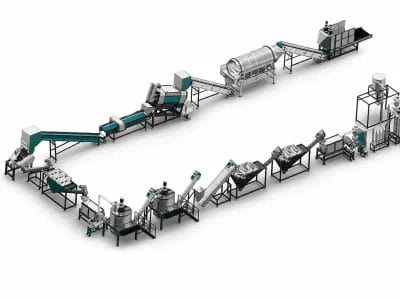
View categoryComplete washing systems that turn contaminated scrap into clean flakes ready for pelletizing.
View categoryCompacting and pelletizing systems that convert flakes and film into uniform, sellable granules.
View categoryLines that consume recycled or virgin granules and turn them into pipe, profile and straw products.
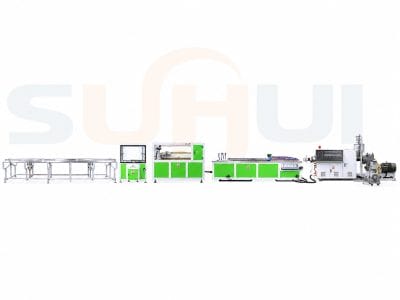
Single and multi-cavity lines for PVC, HDPE and PPR pipe, plus tube-shaped products such as straws and lamp covers.
View categoryExtrusion lines for PVC and PP construction, window and decorative profiles.
View categoryHigh-speed extrusion systems for food-grade PP drinking straws.
View categoryMixing, squeezing-drying and polymerization units that keep recycling and extrusion lines running at spec.
Mixers, squeezer-dryers and solid-state polymerization systems that support the main line.
View categoryRecycling lines stop at flakes or pellets; extrusion lines carry the same material on into finished products. Choose the output your buyers actually pay for — the line is engineered backwards from there. Planning the extrusion side in detail? Visit the plastic extrusion machine hub.

Bottle-to-flake systems for fiber, sheet, strapping or food-contact upgrade projects.

Controlled rigid flakes ready for sale, compounding or in-house pelletizing.

Uniform film, rigid, PET or PVC pellets with filtration matched to the end market.

Turn qualified compound into HDPE, PVC or PPR pipe with stable dimensions.

Extrude PVC and PP formulations into construction, lighting and custom profiles.

A focused downstream route for PP material into straight or flexible straws.
Two lines with the same nominal capacity can have very different cleaning performance, operating cost and output value. A useful comparison fixes the material and quality target before comparing machine lists.
Automation level, water treatment, melt filtration and control strategy all move both the price and the day-to-day running cost. Deciding these with an engineer early avoids re-quoting a line that was scoped against the wrong assumptions.

Study the process, then specify with confidence:
Use these factory-direct FOB ranges for budgeting. The final quotation depends on your material, contamination level, capacity and line configuration.
| Machine | Typical capacity | Reference price (FOB) |
|---|---|---|
| Plastic shredder | 200–1,000 kg/h | $10,000 – $30,000 |
| Plastic washing line | 300–1,000 kg/h | $40,000 – $100,000 |
| Pelletizing line | 100–1,000 kg/h | $10,000 – $100,000 |
| Film squeezer-granulator | 300–750 kg/h | $28,000 – $40,000 |
| Complete recycling line (shred + wash + pelletize) | Project-based | $50,000 – $150,000 |
Ranges are factory-direct FOB figures for budgeting only and exclude sea freight, duties and on-site installation. A firm quotation is issued after reviewing your material, target output and plant conditions.
Payback depends on feedstock cost, recycled-pellet selling price, capacity and running hours. Send your material and target output and a SUHUI engineer will map a realistic budget and payback range.
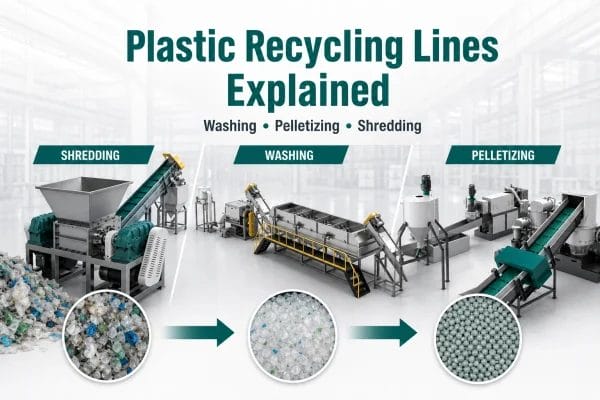
Compare plastic washing, shredding and pelletizing lines in one practical guide. Learn how each recycling system works, what output it produces, which materials it…
Read guide Apr 2026 How Plastic Pellets Are Made from Flakes, Regrind and Film Scrap
  Apr 2026 Industrial Plastic Shredder: 4 Types & How to Choose
  Apr 2026 HDPE Recycling Machine: Process, Equipment & Buyer Tips
  Apr 2026 PET Bottle Recycling Machine: Process, Equipment & Buyer Tips
  Jun 2026 What Is PET Plastic? Uses, Recycling, rPET and PET Bottle Processing Browse all guides
 As a factory-direct plastic recycling machine manufacturer and supplier, SUHUI combines material testing, line configuration, workshop manufacturing, pre-shipment trials and remote or on-site commissioning support. Every line is assembled and test-run in our own factory before it ships.
That means the machines you see in these photos are the machines you receive—matched to your feedstock, verified against your output target and backed by direct engineering support after delivery.

Include the material type, photos or video, contamination, expected kg/h, target output, available plant space, voltage and destination country. The more concrete the input, the more specific the recommendation.

Share practical project data. Our team will reply with a line direction rather than a generic brochure.
Send material photos, expected capacity and final-product requirements. SUHUI will map the necessary process stages and equipment.